Cellular Autophagy and Plant-Based Intermittent Fasting: Clearing Senescent Cells Naturally
How periodic caloric restriction, spermidine-dense legumes, and AMPK activation stimulate the body's natural cellular recycling mechanism.
The Nobel-Prize Winning Science of Autophagy
In 2016, Japanese cell biologist Yoshinori Ohsumi was awarded the Nobel Prize in Physiology or Medicine for unraveling the molecular mechanisms of autophagy (literally “self-eating”). Autophagy is the cell’s internal recycling engine: lysosomes engulf damaged organelles, misfolded protein aggregates, and intracellular pathogens, breaking them down into constituent amino acids to rebuild youthful, high-functioning cellular components.
When nutrient intake is constant, the enzyme mTOR remains activated, completely shutting down autophagy. By introducing periodic fasting windows (such as a 16:8 schedule) and activating AMPK, we flip the cellular switch from wasteful proliferation to rigorous self-cleaning.
Plant Compounds that Mimic Fasting-Induced Autophagy
Certain botanicals activate autophagy pathways even without prolonged caloric deprivation:
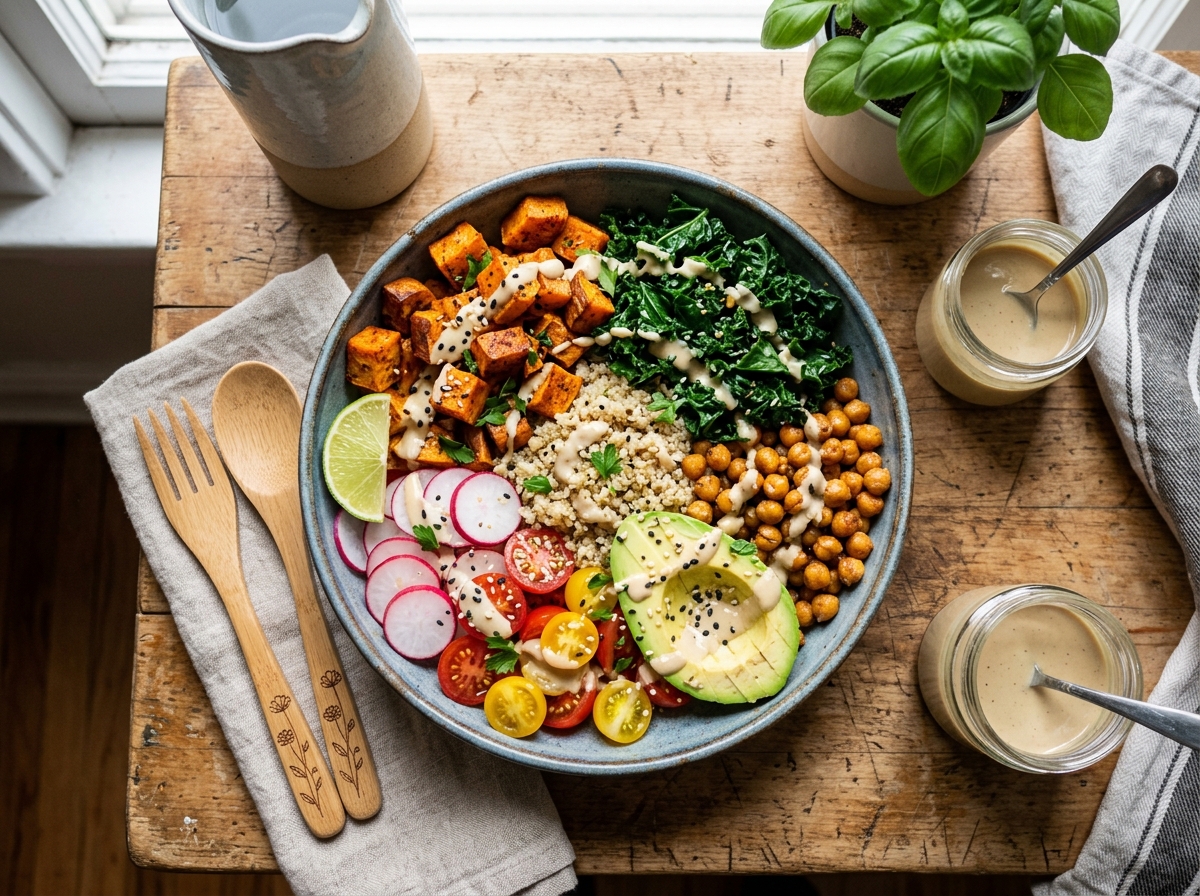
- Spermidine: Highly concentrated in fermented natto, shiitake mushrooms, wheat germ, and green peas, spermidine triggers autophagic flux across cardiac and brain tissue.
- EGCG (Epigallocatechin Gallate): The dominant polyphenol in Japanese green tea induces hepatic autophagy and AMPK activation.
- Resveratrol & Pterostilbene: Found in blueberries and dark grapes, these stilbenoids activate SIRT1 longevity genes that stimulate lysosomal clearing.
Frequently Asked Questions
How many hours of fasting does it take to activate autophagy?
In humans, measurable markers of autophagy generally begin after 14 to 16 hours of fasting, peaking around 24 to 48 hours.
Continue Reading
More from Longevity & Cellular Vitality
1 min read
The Polyphenol Longevity Matrix: Activating Sirtuins (SIRT1) with Plant Bioactives
Exploring the biochemical cross-talk between plant secondary metabolites and mammalian longevity genes: how xenohormesis protects DNA and extends healthspan.
1 min read
Gut Microbiome Biodiversity: The 30-Plant-a-Week Challenge for Immune Resilience
Why counting unique plant species is superior to counting calories: how diverse prebiotic fibers cultivate short-chain fatty acids (SCFAs) that govern immune tolerance.