How to Veganize Chinese Takeout Favorites
A guide to veganizing sauces, fried textures, egg, oyster sauce, and restaurant-style gloss.
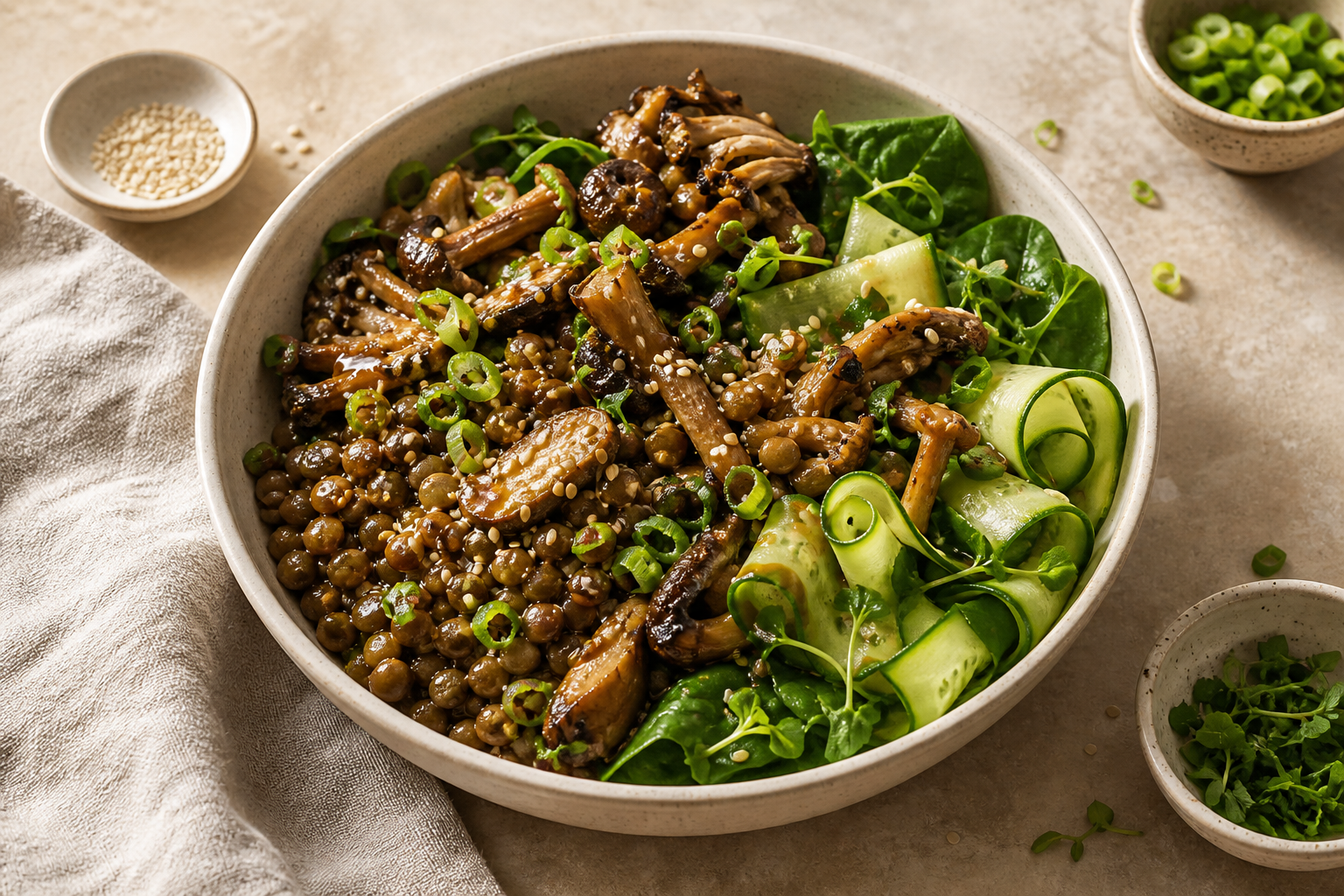
Start with the job of the ingredient
The key is matching sauce body and wok texture: mushroom oyster-style sauce, tofu, seitan, cornstarch crusts, black vinegar, ginger, garlic, and scallion oil help.
Where Vegan Luck takes the reader next
Invite the reader into the free membership, then offer a tool-powered conversion, a credit pack, and pantry or equipment picks through WooCommerce.
Frequently Asked Questions
Is oyster sauce vegan?
Standard oyster sauce is made from oyster extract, so it is not vegan. Vegetarian stir-fry sauce, often labeled mushroom oyster sauce, is made from mushrooms and is a direct 1:1 swap; check the label.
Is vegetable fried rice vegan at restaurants?
Often not. Most fried rice includes egg, and some kitchens use chicken stock powder or lard. Ask for it without egg and check what fat and seasoning they use.
Are lo mein and chow mein noodles vegan?
Many are wheat egg noodles. Some fresh and dried noodles are egg-free, so check the ingredient list. Rice noodles and many plain wheat noodles are usually egg-free.
Is hoisin sauce vegan?
Hoisin is typically made from fermented soybeans, sugar, vinegar, garlic, and spices, and is usually vegan. Recipes vary, so read the label.
Is MSG vegan?
Yes. MSG is typically produced by fermenting plant starches or sugars. It is a useful way to add savory depth to vegan stir-fries.