Vegan Keto, Raw, High-Protein, and WFPB Recipe Filters
A search-intent hub for diet-style filters without pretending one style fits everyone.
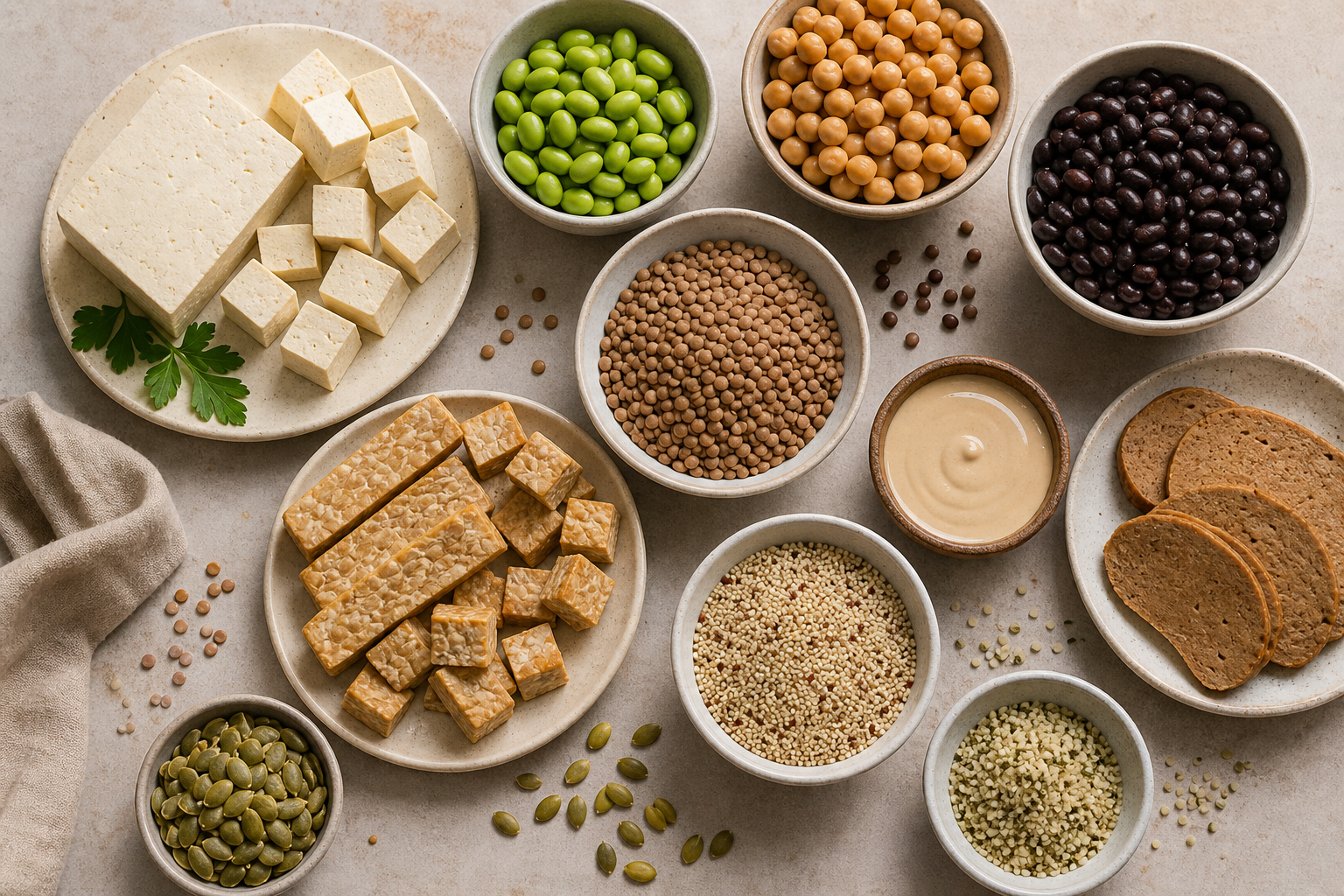
Start with the job of the ingredient
Lifestyle filters should modify ingredients and methods transparently. A recipe can be vegan and still need different swaps for keto vegan, raw vegan, soy-free, nut-free, or high-protein readers.
Where Vegan Luck takes the reader next
Invite the reader into the free membership, then offer a tool-powered conversion, a credit pack, and pantry or equipment picks through WooCommerce.
Frequently Asked Questions
What are the main types of vegan diets?
Common styles include a standard balanced vegan diet, whole-food plant-based (WFPB), high-protein vegan, vegan keto, raw vegan, gluten-free vegan, and low-FODMAP vegan. All exclude animal products; they differ in which plant foods they emphasize or limit.
Is vegan keto healthy?
It can be done, but it is restrictive because it removes most beans, grains, and fruit, which are core vegan foods. People taking diabetes medications, especially insulin, sulfonylureas, or SGLT2 inhibitors, should only try it with their clinician’s guidance.
Is WFPB the same as vegan?
Not exactly. Vegan describes an ethical approach that excludes animal products as far as possible and practicable, including outside food. WFPB is a dietary pattern based on minimally processed plants, and some people who follow it are not strictly vegan.
Do raw vegans need supplements?
Like all vegans, raw vegans need a reliable source of vitamin B12. Raw diets can also make it harder to get enough calories, protein, calcium, iodine, and vitamin D, so planning and periodic check-ins with a clinician are sensible.
Which vegan diet is best for building muscle?
A high-protein vegan approach built around soy foods, seitan, lentils, and beans, combined with enough total calories and resistance training, is the most practical fit for muscle gain.