Gut Microbiome Biodiversity: The 30-Plant-a-Week Challenge for Immune Resilience
Why counting unique plant species is superior to counting calories: how diverse prebiotic fibers cultivate short-chain fatty acids (SCFAs) that govern immune tolerance.
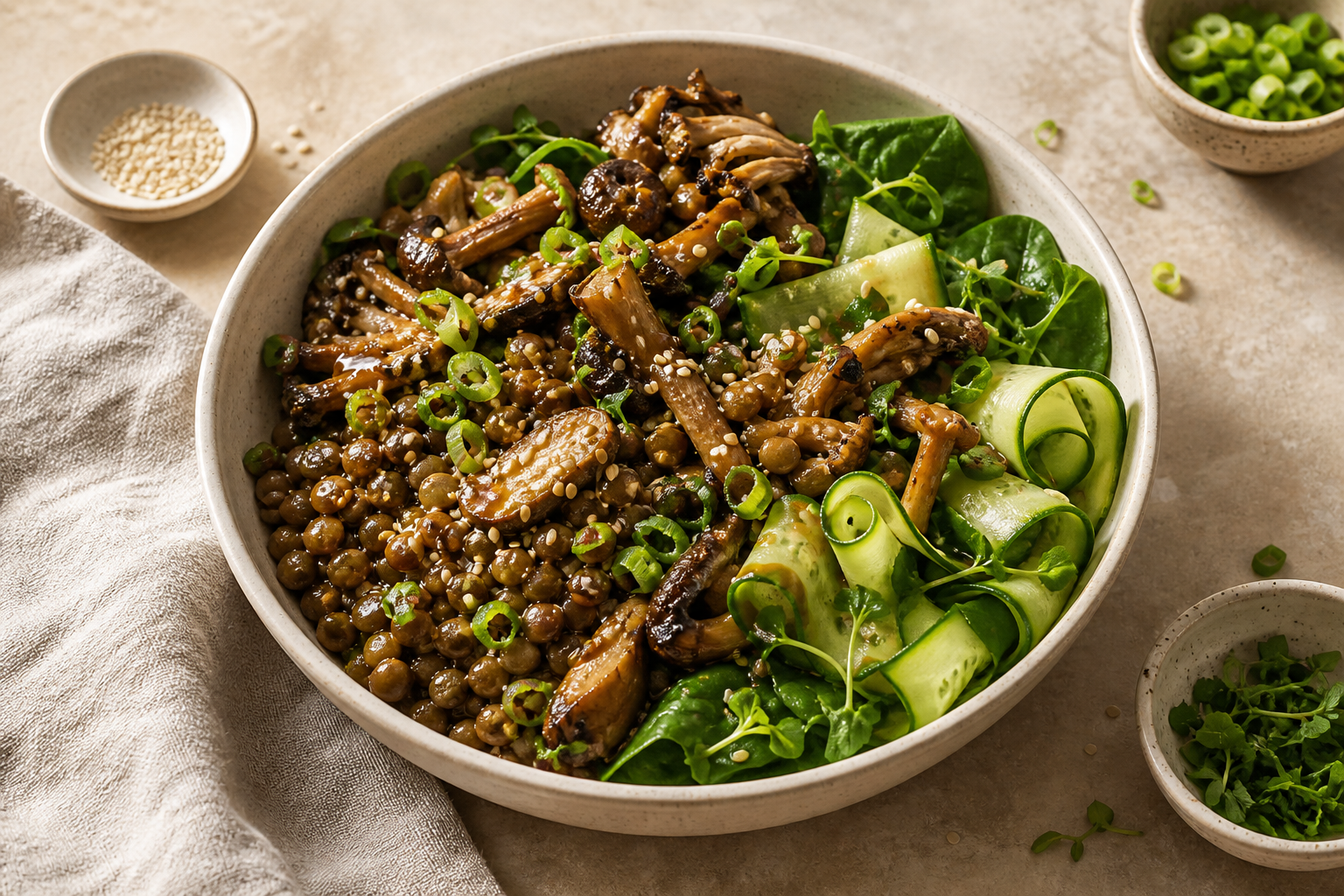
The American Gut Project Breakthrough
The groundbreaking American Gut Project—the largest citizen-science microbiome initiative ever conducted—analyzed stool samples from over 10,000 individuals worldwide. The researchers discovered a single dietary metric that predicted gut microbiome diversity more accurately than whether someone was omnivorous, vegetarian, or strictly vegan: the number of unique plant species consumed per week.
Individuals who consumed 30 or more unique plant species each week possessed significantly more diverse, resilient microbiomes and produced vastly higher levels of beneficial Short-Chain Fatty Acids (SCFAs)—notably butyrate, which fuels colonocytes, tightens junction proteins, and downregulates systemic autoimmune reactivity.
The 30-Plant Tally Matrix
Reaching 30 plants weekly is surprisingly simple when you categorize by plant variety:
- Legumes (5): Chickpeas, black beans, red lentils, edamame, green peas.
- Whole Grains (5): Quinoa, farro, wild rice, rolled oats, buckwheat.
- Seeds & Nuts (5): Pumpkin seeds, walnuts, hemp hearts, chia seeds, golden flax.
- Leafy Greens (5): Baby arugula, Tuscan kale, watercress, spinach, cilantro.
- Colorful Roots & Alliums (5): Purple sweet potato, golden beets, garlic, shallots, ginger.
- Polyphenol Fruits & Herbs (5): Wild blueberries, pomegranate, rosemary, thyme, fresh basil.
Frequently Asked Questions
Do herbs and spices count toward the 30-plant goal?
Yes! Every distinct culinary herb, spice, seed, and tea leaf represents unique prebiotic polyphenols and fibers that nourish specialized sub-populations of gut bacteria.
Continue Reading
More from Longevity & Cellular Vitality
1 min read
Cellular Autophagy and Plant-Based Intermittent Fasting: Clearing Senescent Cells Naturally
How periodic caloric restriction, spermidine-dense legumes, and AMPK activation stimulate the body's natural cellular recycling mechanism.
1 min read
The Polyphenol Longevity Matrix: Activating Sirtuins (SIRT1) with Plant Bioactives
Exploring the biochemical cross-talk between plant secondary metabolites and mammalian longevity genes: how xenohormesis protects DNA and extends healthspan.