Veganic Gardening: How to Grow Food Without Manure, Bone Meal, or Other Animal Inputs
Veganic gardening grows fertile soil without manure, blood meal, or bone meal. Learn the plant-based fertility methods, swaps, and a season plan.
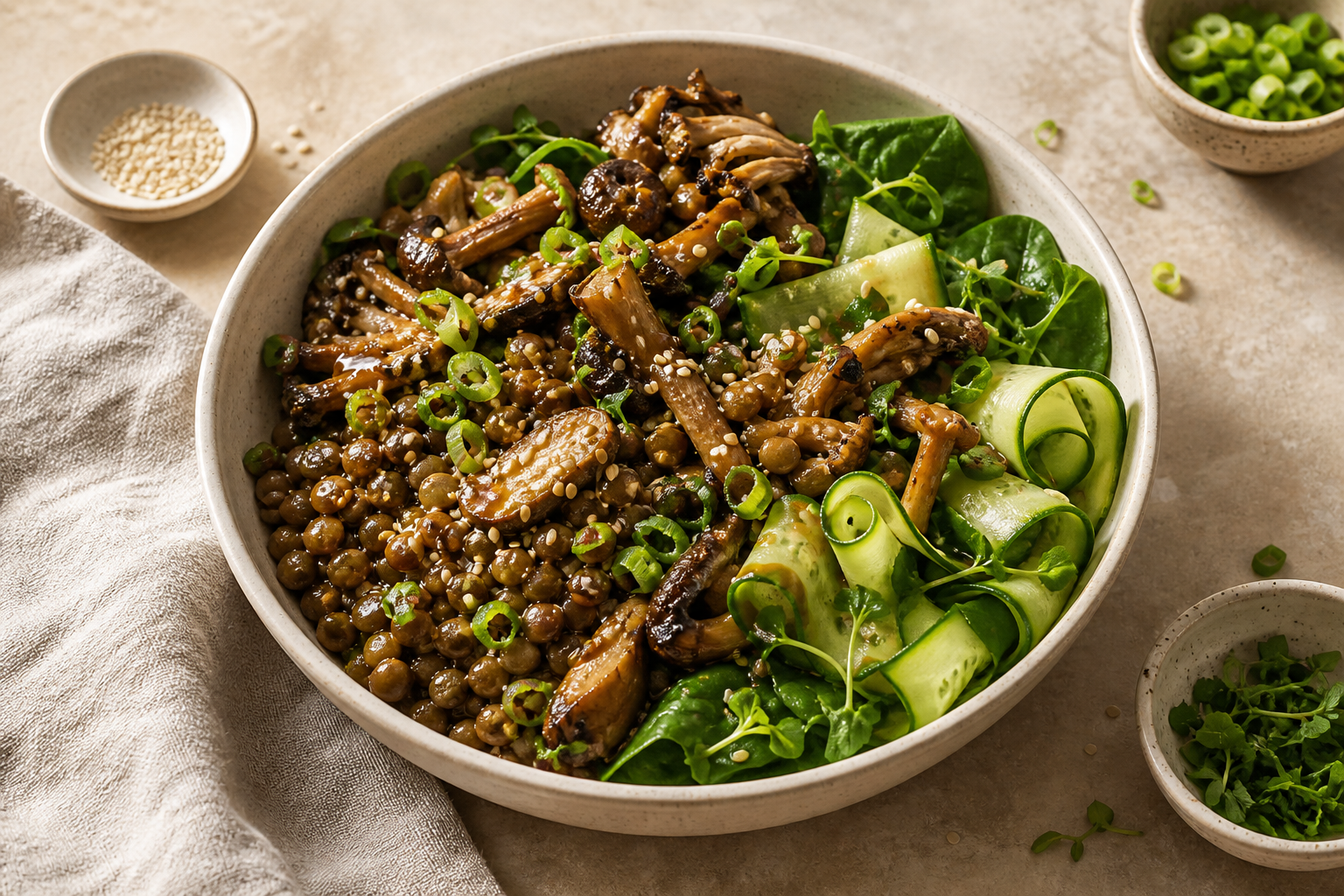
Many vegans are surprised to learn that a bag of “organic” fertilizer may be made from slaughterhouse byproducts. Blood meal, bone meal, feather meal, and fish emulsion are staples of organic growing, and composted manure is the default soil builder in most garden advice. Veganic gardening (also called stockfree organic or plant-based organic growing) keeps the benefits of organic methods while leaving those inputs out.
In the UK, the Vegan Organic Network has promoted this approach for decades and publishes stockfree organic growing standards. You do not need any certification to garden this way at home, though. You need a plan for feeding the soil.
How does veganic gardening feed plants?
Plants need nitrogen, phosphorus, potassium, and a range of trace minerals, plus soil that holds water and air. In conventional organic gardening, manure does a lot of that work at once. Veganic gardening spreads the work across several plant and mineral sources:
- Compost from kitchen scraps, garden waste, leaves, and straw builds organic matter and feeds soil life.
- Green manures and cover crops, especially legumes such as clover, vetch, field peas, and fava beans, work with soil bacteria to fix nitrogen from the air. You grow them, cut them, and let them feed the soil.
- Mulch such as leaves, straw, and grass clippings protects soil, suppresses weeds, and breaks down slowly.
- Dynamic accumulators like comfrey have deep roots and nutrient-rich leaves you can chop and drop or steep into a liquid feed.
- Mineral amendments such as rock phosphate, gypsum, and lime correct specific deficiencies or pH.
Animal inputs and their veganic swaps
This table is the practical core of veganic growing. Use it when a seed packet or garden guide tells you to add something you want to avoid.
| Conventional organic input | What it supplies | Veganic alternatives |
|---|---|---|
| Composted manure | Organic matter, slow-release nutrients | Plant-based compost, leaf mold, green manures, well-rotted straw |
| Blood meal | Fast nitrogen | Alfalfa meal, soybean meal, comfrey liquid feed, grass clippings |
| Feather meal | Slow nitrogen | Legume cover crops, alfalfa meal, cottonseed meal (check for pesticide concerns) |
| Bone meal | Phosphorus, calcium | Rock phosphate, compost, gypsum (calcium without changing pH), lime (calcium, raises pH) |
| Fish emulsion | Quick liquid feed | Comfrey tea, liquid seaweed, nettle tea |
| Worm castings from manure-fed worms | Soil biology, gentle nutrients | Homemade vermicompost fed on vegetable scraps |
| Shellfish or crab meal | Calcium, nitrogen | Lime or gypsum for calcium; plant meals for nitrogen |
Seaweed and kelp are algae, not animals, so they are veganic-friendly and add potassium and trace minerals. Wood ash from untreated wood can add potassium and raise pH, but use it sparingly and not on already alkaline soils.
Build your soil: a first-season plan
Soil fertility is built over time. Here is a realistic sequence for a new bed or a garden you are converting.
- Test your soil. A basic soil test (many regional extension services and garden centers offer them) tells you pH and major nutrient levels, so you add only what is needed.
- Add organic matter. Spread a few inches of plant-based compost or leaf mold on top. If you are starting from lawn, sheet mulching with cardboard topped by compost and mulch smothers grass without digging.
- Correct pH and major gaps. Use lime for acidic soil, sulfur for alkaline soil, and rock phosphate if phosphorus is low, following the product label and your soil test.
- Plant heavy feeders where the soil is richest. Tomatoes, squash, corn, and brassicas like fertile ground. Top-dress with alfalfa or soybean meal at planting if the soil is thin.
- Keep the soil covered. Mulch between plants to hold moisture and feed soil life.
- Sow a cover crop at the end of the season. A legume and grain mix, such as vetch with cereal rye or oats, protects bare soil over winter and adds nitrogen and organic matter.
- Cut the cover crop before it sets seed. Chop it and leave it on the surface or turn it in lightly a few weeks before planting.
Make veganic compost that actually heats up
Many compost guides tell you to add manure as an “activator.” You do not need it. What makes a pile heat up is a good balance of nitrogen-rich “greens” and carbon-rich “browns,” plus water and air.
- Greens: vegetable and fruit scraps, coffee grounds, fresh grass clippings, green garden trimmings, comfrey leaves.
- Browns: dry leaves, straw, shredded cardboard, paper, woody prunings chopped small.
- Rough ratio: about two to three parts browns to one part greens by volume, adjusted by feel. Too wet and smelly means add browns; too dry and slow means add greens and water.
- Moisture: like a wrung-out sponge.
- Air: turn the pile every week or two for faster results.
A kitchen that cooks from whole ingredients produces plenty of compost material. If your fridge scraps are piling up, the Fridge Scan tool can suggest recipes to use odds and ends before they end up in the bin.
Pests without animal products: an ethical approach
Veganic gardeners also think about how they manage pests. Many choose methods that prevent problems rather than kill animals:
- Physical barriers: row covers and insect mesh keep flying pests off brassicas and carrots; collars protect seedlings.
- Diversity and companion planting: mixing crops and flowers attracts predators and pollinators and makes it harder for pests to find their host plants.
- Healthy soil and good spacing: strong plants tolerate some damage, and airflow reduces fungal disease.
- Timing: sowing a little earlier or later can avoid the peak of a particular pest.
- Tolerance: accepting some nibbled leaves is part of the approach.
How far you take this is a personal decision. Veganism’s “as far as is possible and practicable” framing applies in the garden as much as anywhere.
Buying veganic: what to check on bags and bottles
- Potting mixes and composts: many contain manure, poultry litter, or “organic fertilizer” blends. Read the ingredients list, not just the front of the bag.
- “Organic” fertilizers: look for bone, blood, feather, fish, crab, shellfish, and “animal protein” meals.
- Liquid feeds: fish emulsion and fish hydrolysate are common; choose seaweed or plant-based versions.
- Plant-based certifications: some products carry vegan or stockfree labels. When a product does not, email the manufacturer.
- Seed coatings: some seeds are treated or pelleted; untreated organic seed avoids most questions.
From garden to plate
The payoff is food you know from seed to dinner. A late-summer harvest of tomatoes, kale, and beans is perfect for an Italian white bean ribollita, and a glut of peppers or zucchini fits right into lemon herb quinoa stuffed peppers. Growing some of your own food also connects with the bigger picture covered in the environmental mathematics of going vegan.
Your next step
This week, check the ingredients on every bag and bottle in your garden shed and set aside anything with animal inputs to use up or give away. Then start a plant-based compost pile and plan one cover crop for the end of the season. For more ways to align your home with your values, see the zero-waste vegan home audit and our vegan lifestyle guide.
Frequently Asked Questions
What is the difference between organic and veganic gardening?
Organic gardening avoids synthetic pesticides and fertilizers but commonly uses animal inputs such as manure, bone meal, blood meal, and fish emulsion. Veganic gardening avoids those animal inputs as well and builds fertility from plants, minerals, and compost.
What can I use instead of bone meal and blood meal?
For nitrogen, try alfalfa meal, soybean meal, legume cover crops, comfrey, and plant-based compost. For phosphorus, use rock phosphate or well-made compost. Seaweed or kelp meal adds potassium and trace minerals.
Is store-bought organic fertilizer vegan?
Often not. Many organic fertilizers and potting mixes contain feather meal, bone meal, blood meal, fish products, or poultry manure. Read the full ingredient or guaranteed analysis section and look for plant-based or stockfree labeling.
Do veganic gardeners avoid earthworms and soil life?
No. Veganic gardening is about not using farmed animal products as inputs. Earthworms, fungi, insects, and microbes that live in healthy soil are welcomed; the aim is to support them, not exclude them.
Can veganic gardens be as productive as conventional ones?
Many home gardeners grow abundant food veganically once soil organic matter is built up. It usually takes a season or two of cover cropping, mulching, and composting to establish fertility.