A Week of Easy Vegan Dinners From One Smart Sauce
Make one batch of miso-tahini sauce on Sunday and turn it into seven easy vegan dinners: bowls, noodles, pasta, tacos, sheet pans, and soup.
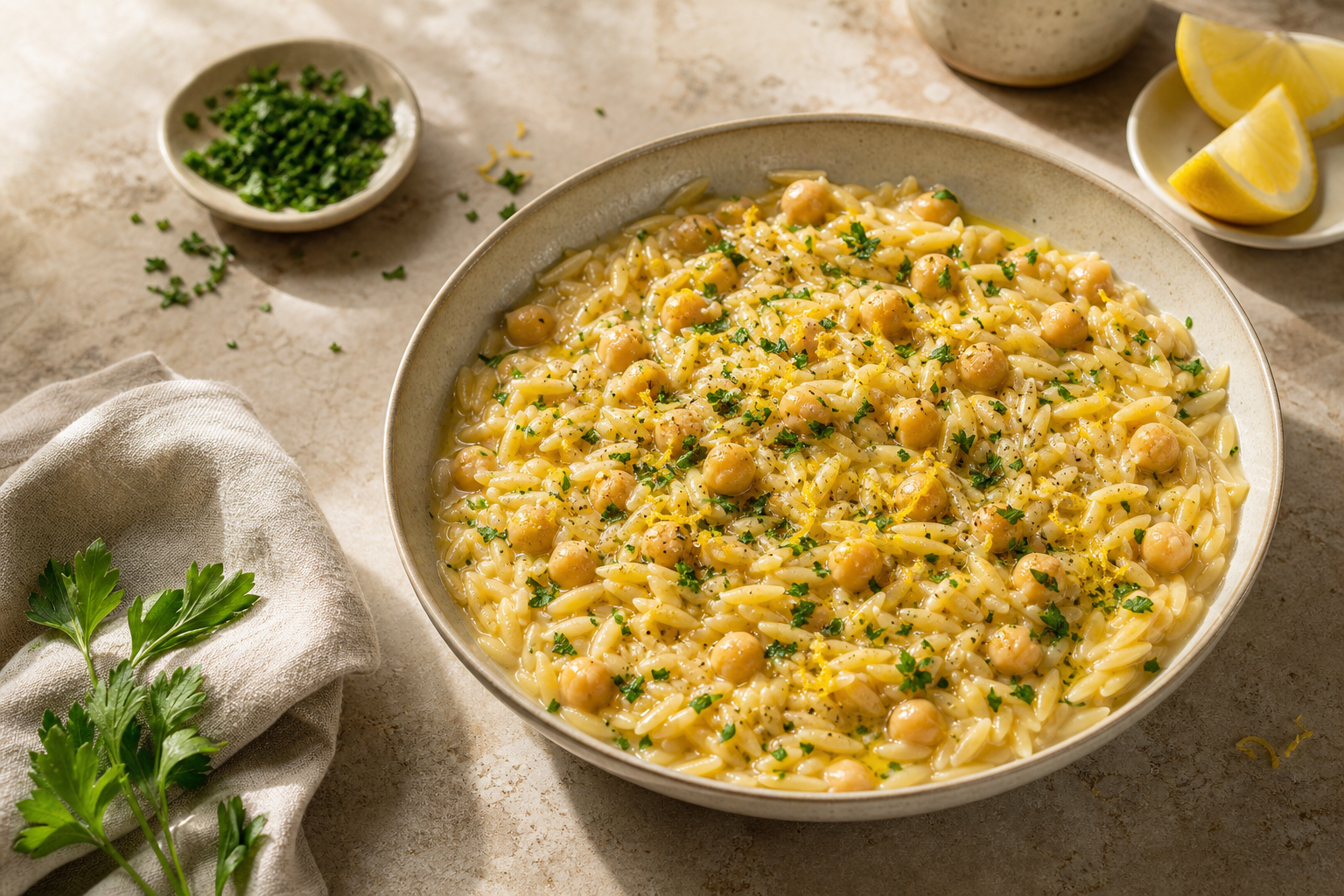
Weeknight cooking falls apart not because chopping is hard, but because deciding what the food should taste like takes energy. A good sauce solves that decision in advance. This guide gives you one reliable base sauce, the technique for changing its thickness and personality, and a full week of dinners built on it.
The base: miso-tahini-lemon sauce
This makes about 2 cups, enough for 7 dinners for two people, used at 2 to 4 tablespoons per serving.
- 3/4 cup tahini (well stirred)
- 3 tablespoons white or yellow miso
- 1/3 cup fresh lemon juice (about 2 lemons)
- 2 tablespoons maple syrup or agave
- 1 tablespoon soy sauce or tamari
- 2 small garlic cloves, finely grated
- 1 teaspoon grated fresh ginger (optional)
- 1/2 to 3/4 cup cold water, as needed
- Whisk tahini, miso, lemon juice, maple, soy sauce, garlic, and ginger in a bowl. It will seize into a stiff paste. That is normal.
- Whisk in cold water 2 tablespoons at a time until it is as thick as yogurt. Stop there; you will thin portions later as needed.
- Taste. It should be salty, tangy, nutty, and slightly sweet, a bit too strong to eat by the spoonful. Strong is right, because you will dilute it with food.
- Store in a clean jar in the fridge for 5 to 7 days.
Miso and tahini together provide the savory depth this sauce relies on. For the science behind that, read our guide to building umami in vegan cooking.
The technique: three ways to use one sauce
One sauce stays interesting all week because you change its texture and add one or two accent ingredients each night.
| Form | How | Use it for |
|---|---|---|
| Thick (as made) | Straight from the jar | Spreading on wraps, dolloping on bowls, dipping |
| Pourable | 1 part sauce to 1/2 part water or lemon juice | Drizzling on roasted vegetables and tacos, dressing slaws |
| Loose and cooked | 1 part sauce to 1 part hot pasta water, broth, or plant milk | Coating pasta and noodles, enriching soups |
| Glaze | Thick sauce plus a little extra maple | Brushing on tofu, tempeh, or eggplant for the last minutes of roasting |
A word on heat: tahini sauces can turn grainy if boiled hard. Stir them into hot food off the heat, or warm them gently.
Sunday prep (about 60 minutes)
A little prep makes every night a 20-minute meal. You do not need seven identical containers; you need components.
- Make the sauce (10 minutes).
- Cook a pot of rice, quinoa, or farro (about 20 to 45 minutes, mostly hands-off). Cool it quickly and refrigerate within an hour or two; cooked rice kept warm at room temperature can grow Bacillus cereus.
- Roast two sheet pans of sturdy vegetables at 425°F for 25 to 35 minutes: sweet potato cubes, broccoli, cauliflower, carrots, or red onion.
- Press a block of tofu, or steam a block of tempeh for 10 minutes and cool it.
- Shred half a cabbage and a few carrots for slaw.
For more ways to vary prep so lunches do not all taste the same, see vegan meal prep for people who do not want seven identical lunches.
The week of dinners
Monday: Big grain bowl
Warm grains, roasted vegetables, crispy tofu or chickpeas, quick-pickled onion, and a generous drizzle of pourable sauce. Finish with sesame seeds and herbs. Twenty minutes if you crisp the tofu while the grains reheat.
Tuesday: Sesame noodles with cucumber and edamame
Loosen 1/2 cup sauce with 1/4 cup hot noodle water and a splash of rice vinegar. Toss with soba or wheat noodles, shelled edamame, sliced cucumber, and scallions. Add chili crisp if you like heat. The Japanese sesame soba with edamame is a close cousin.
Wednesday: Glazed eggplant or tempeh sheet pan
Brush thick sauce mixed with a teaspoon of extra maple over eggplant halves or steamed tempeh slices, then roast at 425°F for 20 to 25 minutes. Serve over rice with steamed greens. For a fuller recipe, try miso maple roasted eggplant noodle bowls, and see how to cook tempeh so it is never bitter.
Thursday: Creamy lemon pasta with greens
Cook 8 ounces of pasta. Off the heat, whisk 1/3 cup sauce with 1/3 cup hot pasta water, add to the drained pasta with two big handfuls of spinach or chopped kale, and toss until creamy. Add black pepper, lemon zest, and toasted breadcrumbs or walnuts.
Friday: Roasted cauliflower pitas
Toss cauliflower florets with oil, cumin, paprika, and a pinch of cinnamon, and roast at 425°F for about 25 minutes. Stuff into warm pitas with lettuce, tomato, pickled onion, and plenty of thinned sauce. Inspired by Lebanese roasted cauliflower shawarma pitas.
Saturday: Crunchy slaw tacos
Thin 1/4 cup sauce with lime juice and toss with shredded cabbage and carrot. Pile into warm tortillas with seasoned black beans or crispy tofu, avocado, and cilantro. Changing the acid from lemon to lime makes the sauce taste new.
Sunday: Clean-out-the-fridge soup
Simmer leftover roasted vegetables, a can of white beans, and 4 cups of vegetable broth for 15 minutes. Off the heat, stir in 1/4 cup of sauce and blend partially for a creamy body. The miso and tahini make even a plain soup taste finished.
The shopping list for the week
Everything above comes from a short, flexible list. Check the pantry before you shop; you likely have half of it already.
- For the sauce: tahini, white or yellow miso, lemons, garlic, ginger, maple syrup or agave, soy sauce or tamari.
- Proteins: 1 block extra-firm tofu, 1 block tempeh, 1 bag frozen shelled edamame, 2 cans beans (black and white).
- Starches: rice or quinoa, soba or wheat noodles, 8 ounces pasta, tortillas, pitas.
- Vegetables: 1 or 2 sweet potatoes, 1 head broccoli, 1 head cauliflower, 1 or 2 eggplants, 1 small cabbage, carrots, cucumber, spinach or kale, red onion, scallions, 1 avocado.
- Accents: lime, cilantro, sesame seeds, chili crisp or chili flakes, rice vinegar, smoked paprika, cumin.
Scaling for your household
The plan assumes two adults eating together. Adjust it without rethinking the whole week.
- Cooking for one: Make half the sauce and pick four dinners. Leftovers from the bowl and pasta nights become lunches.
- Cooking for four: Double the sauce, roast three sheet pans on Sunday, and cook a full pound of pasta on Thursday.
- Mixed households: The sauce works just as well on whatever else is on the table. Everyone gets the same bowl base and adds their own protein.
- Kids or spice-averse eaters: Keep the base sauce mild and add chili crisp or heat at the table.
Swap the base: three other sauces that work the same way
Once you know the method, you can rotate the base sauce every week or two.
- Green herb sauce: Parsley, cilantro, scallions, garlic, lemon, olive oil, and salt, blended. Great on beans, potatoes, grains, and tacos. Keeps 4 to 5 days refrigerated.
- Peanut-lime sauce: Peanut butter, lime, soy sauce, maple, garlic, ginger, and chili. Works on noodles, salad rolls, and stir-fries.
- Roasted red pepper and walnut sauce: Roasted peppers, walnuts, garlic, lemon, smoked paprika, and olive oil. Good on pasta, flatbreads, and grain bowls.
Keep any sauce containing raw garlic and oil in the fridge, never at room temperature, and use it within the week.
Troubleshooting
- Sauce is bitter: Some tahini is more bitter than others. Add a little more maple and lemon, or try a different brand next time; lighter, smoother tahini tends to be milder.
- Sauce thickened in the fridge: Normal. Whisk in a spoonful of water before using.
- Too salty: Miso and soy sauce vary widely in salt. Add more tahini and lemon to rebalance.
- Every meal tastes the same: Vary the acid (lime, rice vinegar), add one strong accent each night (chili crisp, smoked paprika, fresh herbs), and change textures.
Your next step
Make the base sauce this weekend and plan just three of the dinners above. If you have ingredients that do not fit the plan, run them through the Fridge Scan tool for more ideas that pair with a creamy, savory sauce.
Frequently Asked Questions
How long does homemade tahini-miso sauce last?
Refrigerated in a sealed jar, it keeps about 5 to 7 days. If it smells sour or off, or shows any mold, throw it out.
Why does my tahini sauce seize and get thick?
Tahini tightens when you first add lemon juice or water. Keep whisking and add water a tablespoon at a time and it will loosen into a smooth sauce.
Can I freeze the sauce?
Yes. Freeze it in small portions for up to about 2 months. It may separate when thawed; whisk in a splash of water to bring it back together.
Is miso vegan?
Most miso is made from soybeans or grains, salt, and koji and is vegan, but some flavored or instant misos include fish-based dashi. Check the ingredient list for bonito or fish extract.
What can I use instead of tahini if I have a sesame allergy?
Sunflower seed butter works well, though it can turn slightly green when combined with acid. It is harmless. Cashew butter also works if tree nuts are safe for you.
Continue Reading
More from Cooking Techniques
6 min read
How to Make Crispy Tofu: Five Methods Compared
Pan-seared, cornstarch-fried, baked, air-fried, or deep-fried: five ways to make crispy tofu, with times, temperatures, and what each is best for.
6 min read
How to Press Tofu (and When You Should Not Bother)
How to press tofu with a towel, a press, or the freezer, how long it takes, and which tofu types and dishes are better left unpressed.
3 min read
How to Build a Vegan Sauce Without a Recipe
A dependable ratio for creamy, herby, and savory vegan sauces.