12 Common Mistakes New Vegans Make (and How to Fix Them)
The most common new-vegan mistakes, from skipping B12 and under-eating to salad-only meals and all-or-nothing thinking, with a practical fix for each one.
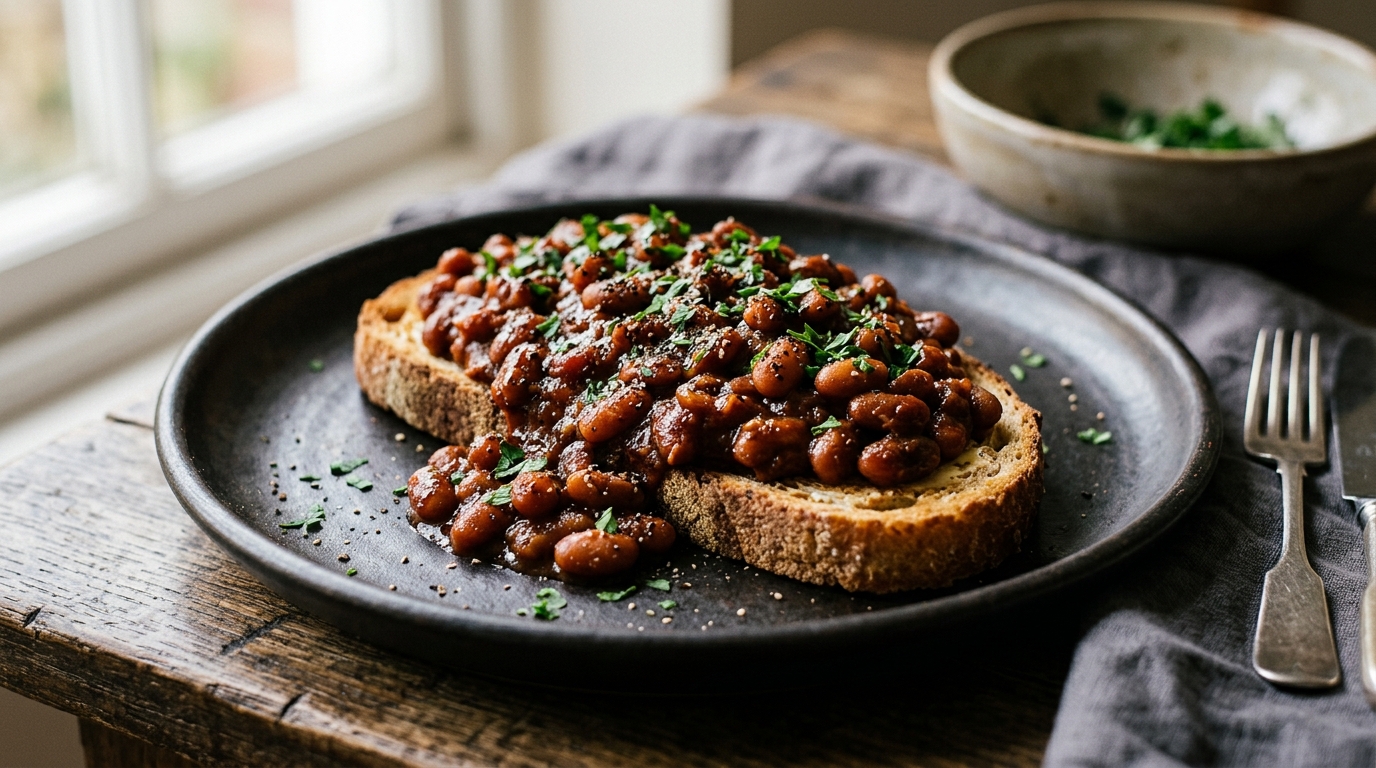
Almost every new vegan runs into the same handful of problems in the first few months. None of them mean veganism does not work for you. They are signs that the old way of building a plate has not been fully replaced yet. Here are the twelve that come up most, why they happen, and exactly what to do instead.
Nutrition mistakes
1. Not eating enough
This is the single biggest cause of new-vegan fatigue, hunger, and cravings. Many plant foods, especially vegetables, fruit, and whole grains, are bulky and high in fiber but lower in calories than meat and cheese. The same-sized plate often delivers less energy.
The fix: make portions bigger than you think you need, and add calorie-dense foods: nuts and nut butters, seeds, avocado, olive oil, tahini, tofu, and starches like potatoes, rice, and bread. If you feel constantly hungry a couple of hours after meals, our guide on why you might feel hungry after a vegan bowl breaks down what to adjust.
2. Skipping vitamin B12
Vitamin B12 is made by bacteria, not plants, and unfortified plant foods are not a reliable source. Deficiency develops slowly, sometimes over years, and can cause fatigue, anemia, and nerve problems such as numbness or tingling.
The fix: take a B12 supplement or use fortified foods consistently from day one, following the label or your clinician’s advice. Our B12 guide compares fortified foods and supplements.
3. Meals without a protein anchor
Removing the meat from a meal and leaving a gap is the classic beginner move: pasta with only tomato sauce, a stir-fry of only vegetables, a salad of leaves and dressing. These meals are fine occasionally but leave you hungry and short on protein over time.
The fix: put a legume, soy food, or seitan on every plate. Beans, lentils, chickpeas, tofu, tempeh, edamame, and soy milk all count. Our guide to vegan protein sources ranked per serving shows which foods deliver the most.
4. Forgetting the quieter nutrients
B12 gets the attention, but iodine, vitamin D, omega-3 fats, calcium, iron, and zinc also need some planning on a vegan diet.
The fix: use iodized salt, include calcium-set tofu or fortified plant milk daily, add ground flax or chia and walnuts, pair beans and greens with vitamin C-rich foods for iron absorption, and ask your clinician whether vitamin D or other supplements suit you. Consider a baseline blood test in your first year.
Meal-building mistakes
5. Living on salads
Many people picture vegans eating salads, then try it and feel exhausted. A bowl of leaves is very low in energy and protein.
The fix: if you want a salad, make it a meal: add a grain or potatoes, a cup of beans or baked tofu, and a rich dressing with tahini or nuts. Or skip the salad and eat a warm bowl of dal and rice.
6. Relying on processed substitutes
Vegan burgers, sausages, nuggets, and cheeses are genuinely helpful during a transition. But if every meal is built around them, your food bill rises, sodium intake climbs, and you miss out on the fiber and nutrients in whole legumes and grains.
The fix: use substitutes for two or three meals a week, and learn a set of meals built on beans, lentils, tofu, and whole grains for the rest.
7. Cooking without enough flavor
Meat and cheese deliver a lot of salt, fat, and savory depth. Remove them and keep everything else the same, and the dish often tastes flat. Many people wrongly conclude that vegan food is bland.
The fix: build flavor deliberately:
- Salt: season properly, including soy sauce or miso for depth.
- Umami: mushrooms, tomato paste, miso, soy sauce, nutritional yeast, and toasted nuts.
- Fat: olive oil, sesame oil, tahini, coconut milk.
- Acid: a squeeze of lemon or lime or a splash of vinegar at the end.
- Heat and aromatics: well-browned onions, garlic, ginger, chili, and spices toasted in oil.
Dishes that were built on these principles from the start, such as Japanese miso eggplant rice bowls, show how satisfying vegan food can be.
8. Adding fiber too fast
Going from a low-fiber diet to beans at every meal can cause gas, bloating, and discomfort for the first few weeks.
The fix: increase beans and whole grains gradually, drink enough water, start with lentils and well-cooked or canned beans, and chew thoroughly. Most digestive systems adjust within a few weeks. Persistent pain, blood in the stool, unexplained weight loss, or a lasting change in bowel habits should be checked by a clinician.
Shopping and label mistakes
9. Missing hidden dairy and egg
Milk and egg ingredients show up in unexpected places: bread, crackers, chips, pesto, some dark chocolate, curry pastes (shrimp paste), Worcestershire sauce (anchovy), and bouillon cubes.
The fix: read the allergen statement and ingredient list every time you try a new product, and learn names like whey, casein, lactose, albumen, and gelatin. The Vegan Label Decoder flags animal-derived and uncertain ingredients if you paste a list in. For the full method, see how to read a food label when you are vegan.
10. Assuming “plant-based” means vegan
“Plant-based” has no single legal definition on packaging, and some products labeled that way contain egg, dairy, or honey.
The fix: treat plant-based as a hint, not a guarantee, and read the ingredients. Look for a certified vegan mark when you want a faster answer.
Mindset mistakes
11. All-or-nothing thinking
Some people eat something non-vegan by accident, or give in to a craving once, and decide they have failed. That thinking causes more people to quit than any nutrient.
The fix: treat slips as information. What caused it? Hunger, no plan, social pressure, a hidden ingredient? Fix that one thing and carry on with your next meal. The Vegan Society’s definition itself speaks of avoiding animal products “as far as is possible and practicable,” not perfectly.
12. Doing it alone, and arguing about it
Trying to change your diet without telling anyone makes shared meals awkward, and getting into debates at the dinner table makes them worse.
The fix: tell the people you eat with most, offer to bring a dish, and keep answers short and friendly. See our guide on how to talk to family and friends about going vegan for scripts that work.
Quick-reference: mistake, symptom, fix
| Mistake | What you notice | Fix |
|---|---|---|
| Not eating enough | Fatigue, constant hunger, cravings | Bigger portions; add nuts, oils, starches |
| No B12 | Often nothing at first | Supplement or fortified foods daily or as directed |
| No protein anchor | Hungry soon after meals | Beans, lentils, tofu, tempeh at every meal |
| Salads as meals | Low energy by afternoon | Add grain, legume, rich dressing |
| Too many substitutes | Higher bills, salty diet | Limit to a few meals a week |
| Bland cooking | “Vegan food is boring” | Salt, umami, fat, acid, aromatics |
| Fiber too fast | Gas and bloating | Increase gradually; water; canned beans |
| Missing hidden ingredients | Accidental dairy or egg | Read allergens and ingredient lists |
| All-or-nothing thinking | Quitting after a slip | Find the cause, fix it, continue |
Your next step
Pick the one mistake on this list that sounds most like you and fix only that this week. For most people, it is either portion size or B12. If you want a structured restart that avoids all twelve, follow our realistic 30-day transition plan.
Frequently Asked Questions
Why do I feel hungry all the time since going vegan?
Plant foods are often high in fiber and water and lower in calories, so the same-sized plate can deliver less energy. Add a protein anchor like beans or tofu, a starch, and some fat such as nuts, seeds, or oil to each meal.
What is the biggest nutrition mistake new vegans make?
Skipping vitamin B12. It is not reliably available from unfortified plant foods, and deficiency can develop slowly over time. Take a supplement or use fortified foods consistently.
Is it a mistake to eat a lot of vegan meat substitutes?
They are fine in moderation and useful during a transition. Relying on them for most meals tends to raise sodium and cost while crowding out beans, lentils, and whole grains.
Why am I bloated after going vegan?
A sudden jump in fiber from beans, whole grains, and vegetables is the usual cause. Increase fiber gradually, drink enough water, and choose well-cooked or canned beans. Persistent pain or changes in bowel habits should be checked by a clinician.
What should I do if I accidentally eat something non-vegan?
Note what happened and learn from it, such as which ingredient or question to check next time. An accident does not undo your commitment.
Continue Reading
More from Going Vegan

6 min read
How to Handle Cheese, Bacon, and Egg Cravings as a New Vegan
Cheese, bacon, and egg cravings are really about salt, fat, smoke, and texture. Here is how to match each one with vegan foods that genuinely satisfy.
7 min read
How to Go Vegan: A Realistic 30-Day Transition Plan
A week-by-week 30-day plan for transitioning to a vegan diet: what to change first, what to stock, what to cook, and how to handle slips without quitting.
6 min read
Vegan vs Vegetarian: What Is the Difference?
Vegetarians skip meat and fish; vegans also skip dairy, eggs, honey, and animal products beyond food. See the types, hidden ingredients, and how to choose.