Vegan vs Vegetarian: What Is the Difference?
Vegetarians skip meat and fish; vegans also skip dairy, eggs, honey, and animal products beyond food. See the types, hidden ingredients, and how to choose.
The two words sound close, and plenty of menus, relatives, and even food packages mix them up. The practical difference is large, though: whether a cheese pizza, an omelet, or a honey-sweetened granola bar is on the table. This guide lays out exactly where the line falls, the different types of vegetarian, and the hidden ingredients that catch both groups out.
What is a vegetarian?
A vegetarian does not eat the flesh of any animal: no beef, pork, lamb, chicken, turkey, fish, or shellfish. Most vegetarians do eat animal products that do not require killing the animal directly, such as milk and eggs. Within that broad definition, there are a few distinct types.
| Type | Eats dairy? | Eats eggs? | Eats honey? | Eats meat or fish? |
|---|---|---|---|---|
| Lacto-ovo vegetarian | Yes | Yes | Usually | No |
| Lacto-vegetarian | Yes | No | Usually | No |
| Ovo-vegetarian | No | Yes | Usually | No |
| Vegan | No | No | No | No |
| Pescatarian (not vegetarian) | Usually | Usually | Usually | Fish only |
Lacto-vegetarian diets have deep roots in South Asia, where many Hindu, Jain, and Buddhist communities have eaten this way for centuries, relying on dairy such as milk, yogurt, ghee, and paneer while avoiding eggs. Lacto-ovo vegetarianism is the most common form in North America and Europe.
What is a vegan?
A vegan avoids all animal-derived foods and, in most cases, animal products in general. The Vegan Society, which coined the word in 1944, defines veganism as seeking to exclude all forms of exploitation of and cruelty to animals for food, clothing, or any other purpose, as far as is possible and practicable.
So in addition to everything a vegetarian avoids, a vegan also avoids:
- Milk, butter, cream, cheese, yogurt, ghee, and ice cream
- Eggs, including egg in pasta, baked goods, mayonnaise, and glazes
- Honey, bee pollen, royal jelly, and beeswax
- Dairy-derived ingredients such as whey, casein, and lactose
- Leather, wool, silk, down, and fur, where practicable
- Cosmetics and household goods with animal ingredients or animal testing
Why honey? Bees make honey as their own food store, and commercial beekeeping involves managing, moving, and sometimes culling colonies. Most vegans see it as an animal product like any other. Our guide is honey vegan? explains the reasoning and the best swaps.
Side-by-side comparison
| Item | Vegetarian (lacto-ovo) | Vegan |
|---|---|---|
| Meat, poultry, fish, shellfish | No | No |
| Milk, cheese, butter, yogurt | Yes (check cheese rennet) | No |
| Eggs | Yes | No |
| Honey | Yes | No |
| Gelatin | No (made from animal bones and skin) | No |
| Whey, casein | Yes | No |
| Leather, wool, silk | Personal choice | Avoided where practicable |
| Main motivations | Ethics, religion, health, environment | Primarily ethics, plus environment and health |
Hidden animal ingredients that trip up vegetarians
Being vegetarian is not just about skipping the steak. Several common foods contain ingredients from slaughtered animals, which means they are not vegetarian either, even though they look meat-free.
- Animal rennet in cheese. Rennet is an enzyme traditionally taken from the stomach lining of young calves. Many traditional European cheeses, including authentic Parmigiano-Reggiano and many Pecorino and Grana Padano cheeses, use it. Look for “microbial rennet” or “vegetable rennet” on labels.
- Gelatin. Made from animal skin, bones, and connective tissue. Found in gummy candies, marshmallows, some yogurts, some desserts, and capsule shells.
- Meat stocks. Vegetable soups, risottos, rice dishes, and gravies are often made with chicken or beef stock.
- Fish sauce and anchovies. Common in Thai and Vietnamese dishes, Caesar dressing, some pasta sauces, and Worcestershire sauce.
- Lard and tallow. Used in some refried beans, pastries, tortillas, and fried foods.
- Carmine. A red coloring made from insects, found in some candies, drinks, and yogurts.
- Fining agents. Some wines and beers are clarified with isinglass (from fish), gelatin, or egg white. See how isinglass and gelatin affect your glass.
Hidden ingredients that trip up new vegans
Vegans have everything above to watch for, plus dairy and egg ingredients that vegetarians can ignore:
- Whey, casein, caseinate, and milk solids in bread, crackers, chips, protein bars, and “non-dairy” creamers
- Butter and ghee in restaurant cooking, especially rice, vegetables, and naan
- Egg in fresh pasta, egg noodles, some breads, glazes on pastries, and mayonnaise
- Honey in granola, cereals, bread, sauces, and dressings
- Vitamin D3 in fortified foods, which is often made from lanolin (sheep’s wool grease)
For a full A to Z with confidence levels, see our ingredient checker framework.
Nutrition differences
Both diets can be healthy when well planned, and both can be unhealthy when built on processed foods. The main nutrition differences come from dairy and eggs:
- Vitamin B12: vegetarians get some from dairy and eggs, though intake is often still low. Vegans need fortified foods or a supplement.
- Calcium: vegetarians usually get it from dairy. Vegans rely on calcium-set tofu, fortified plant milks, and leafy greens such as kale and bok choy.
- Protein: both groups meet needs easily with legumes and soy; vegetarians can also use eggs and dairy.
- Iodine: dairy is a significant iodine source in some countries, so vegans should use iodized salt or discuss a supplement with a clinician.
- Omega-3 fats, iron, zinc, and vitamin D: worth planning on both diets.
Anyone with specific health conditions, or who is pregnant or feeding young children, should involve a clinician or registered dietitian in planning either diet.
Why do people choose one over the other?
People often go vegetarian because avoiding meat is the change that feels most urgent to them, and because it is easier to manage socially. Dairy and eggs are woven through restaurant food, baked goods, and family recipes.
People who go further to veganism usually do so after learning how the dairy and egg industries work. Dairy cows must give birth to produce milk, and calves are generally separated from their mothers; male calves have little value to the dairy industry. In commercial egg production, male chicks cannot lay eggs and are typically killed shortly after hatching. Both industries send animals to slaughter when their productivity drops. For many people, that removes the moral distinction between meat and other animal products.
Our balanced look at why people go vegan covers the ethical, environmental, and health arguments in more depth.
Moving from vegetarian to vegan
If you are already vegetarian, you have done the hardest part: you know how to build meals without meat. The final step is about replacing dairy and eggs.
- Switch your milk first. It is the easiest swap and the one you use most.
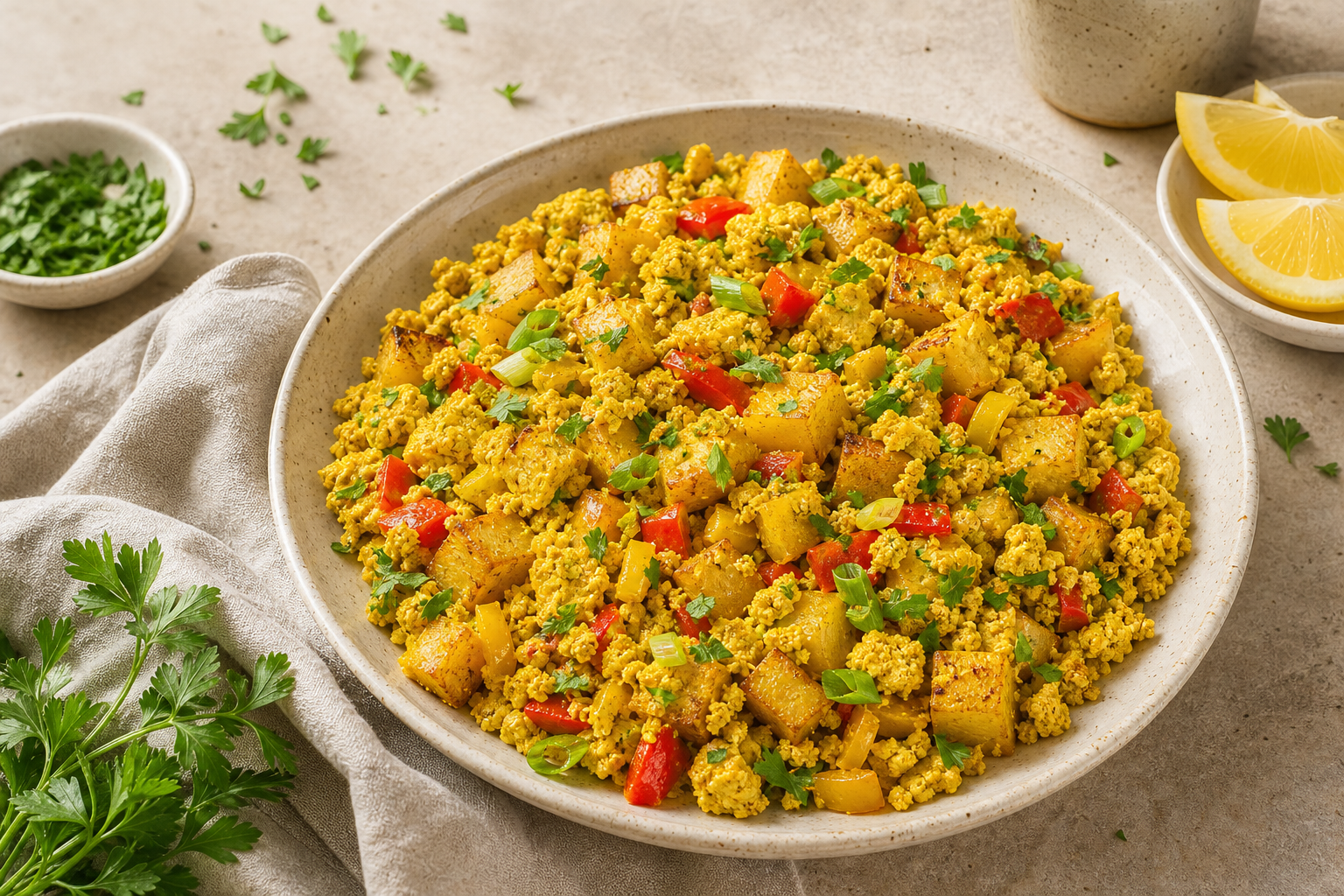
- Replace eggs in cooking and baking. Tofu scrambles for breakfast; flax eggs, applesauce, or aquafaba for baking.
- Tackle cheese last. It tends to be the hardest. Use nutritional yeast, cashew sauces, and flavorful dishes that do not rely on cheese at all.
- Read labels again. Your vegetarian label habits need one more layer: milk, egg, whey, casein, and honey.
Dishes built around beans and spices, such as Indian chana saag, are an easy bridge because they never relied on cheese or eggs in the first place. For a structured approach, follow our 30-day transition plan, and if you are also confused about the term “plant-based,” read plant-based vs vegan.
Your next step
If you are vegetarian now, choose one dairy or egg item you use every day and replace it this week. If you are starting from scratch, begin with meat-free meals you already enjoy and build from there. Either way, check the cheese in your fridge for animal rennet. It is the quickest way to see how much hidden detail sits behind both labels.
Frequently Asked Questions
What is the main difference between vegan and vegetarian?
Vegetarians do not eat meat, poultry, or fish, but most still eat dairy and eggs. Vegans avoid all animal products, including dairy, eggs, and honey, and usually extend this to clothing and cosmetics.
Do vegetarians eat eggs?
Many do. Lacto-ovo vegetarians eat both dairy and eggs, lacto-vegetarians eat dairy but not eggs, and ovo-vegetarians eat eggs but not dairy.
Is cheese vegetarian?
Not always. Many traditional cheeses, including authentic Parmigiano-Reggiano, are made with animal rennet from calves. Look for cheeses labeled as made with microbial or vegetable rennet.
Is a pescatarian a vegetarian?
No. Pescatarians eat fish and seafood, so they are not vegetarian by the standard definition, even though they avoid meat and poultry.
Is it easier to be vegetarian than vegan?
For most people, yes, at first, because dairy and eggs are in so many foods. Many people start vegetarian and move to vegan once they have learned new meals and label reading.
Continue Reading
More from Going Vegan

6 min read
How to Handle Cheese, Bacon, and Egg Cravings as a New Vegan
Cheese, bacon, and egg cravings are really about salt, fat, smoke, and texture. Here is how to match each one with vegan foods that genuinely satisfy.
7 min read
How to Go Vegan: A Realistic 30-Day Transition Plan
A week-by-week 30-day plan for transitioning to a vegan diet: what to change first, what to stock, what to cook, and how to handle slips without quitting.

6 min read
Vegan on a Budget: How to Eat Well for Less
How to eat vegan on a budget: the cheapest high-value staples, a weekly shopping system, batch-cooking tactics, and cheap vegan meals that do not feel cheap.