How to Go Vegan: A Realistic 30-Day Transition Plan
A week-by-week 30-day plan for transitioning to a vegan diet: what to change first, what to stock, what to cook, and how to handle slips without quitting.
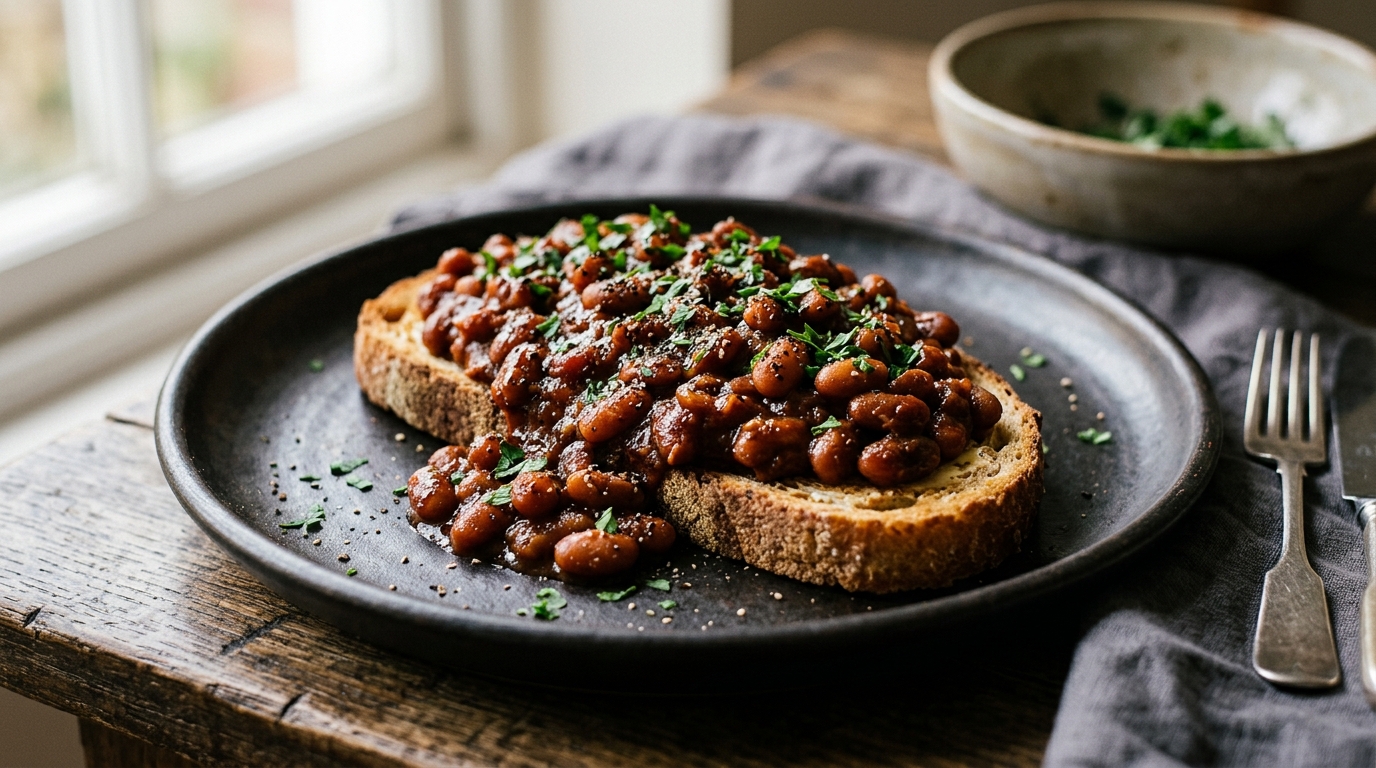
Most people who try veganism and give up do not quit because they miss meat. They quit because they ran out of ideas by Wednesday, felt hungry all afternoon, or got blindsided at a family dinner. This plan is designed around those failure points. It moves one meal slot at a time, builds your recipe list as it goes, and treats the social and practical side as seriously as the food.
Before you start: three decisions to make on day zero
- Choose your pace. This plan assumes four weeks. If you are highly motivated and like cooking, you can compress it into two. If your schedule is packed, stretch each stage to ten days. The order matters more than the speed.
- Write down your reason. Animals, climate, health, or a mix. One sentence is enough. You will reread it the first time a craving hits.
- Tell one person. A partner, friend, or housemate who knows your plan makes it easier to follow through and less awkward at shared meals.
If you take regular medication, are pregnant or breastfeeding, have diabetes or kidney disease, or have a history of disordered eating, speak with your clinician or a registered dietitian before changing your diet significantly.
Week 1: breakfast, B12, and the basics
Breakfast is the easiest meal to change because most people eat the same few things every day. Change it once and you have made seven vegan meals a week.
This week’s actions
- Start vitamin B12. Buy a supplement or fortified foods and follow the label dosing or your clinician’s advice. Our guide to B12 supplements and fortified foods explains the options.
- Switch your milk. Try an unsweetened fortified soy, pea, or oat milk in cereal and coffee. If you do not like the first one, try another; they taste quite different.
- Pick two go-to breakfasts. Oatmeal or blueberry almond overnight oats, peanut butter and banana toast, a tofu scramble with vegetables, or a smoothie with soy milk, frozen fruit, and ground flax.
- Do a first shop. Use our beginner vegan grocery list to stock beans, lentils, tofu, grains, frozen vegetables, and flavor builders.
End-of-week check
Are you full until lunch? If not, add protein (soy milk, nut butter, tofu, seeds) or more volume (a larger portion of oats, a piece of fruit). Being hungry mid-morning is a portion problem, not a vegan problem.
Week 2: lunches and snacks
Lunch is often eaten away from home, which makes it the next logical step. The goal this week is three reliable lunches and a snack plan.
This week’s actions
- Learn three portable lunches. Good starters: a chickpea salad sandwich (mashed chickpeas, vegan mayo, mustard, celery, dill), a grain bowl with beans and roasted vegetables, and leftover soup or chili in a thermos.
- Batch one component. Cook a pot of rice or quinoa and a tray of roasted vegetables on Sunday. Combine them with a different sauce and bean each day.
- Stock snacks. Hummus with vegetables or crackers, fruit with nut butter, roasted chickpeas, trail mix, edamame, and plain plant yogurt with granola.
- Find one takeout lunch. A bean burrito without cheese or sour cream, a falafel wrap, or a vegetable sushi roll. Knowing one reliable option near work removes a lot of stress.
End-of-week check
Notice your digestion. More beans, whole grains, and vegetables mean more fiber, and a sudden jump can cause gas or bloating. Increase gradually, drink enough water, and choose well-cooked lentils and canned beans (rinsed) if you are sensitive. This usually settles within a few weeks.
Week 3: dinners
Dinner is where people cook most and where family and habits are strongest, so it comes once you have some confidence. Aim to make every dinner this week vegan.
This week’s actions
- Cook one new dinner every other day. Rotate a few proven formats:
- A lentil or bean stew or curry, such as dal or chili
- A tofu or tempeh stir-fry with rice
- Pasta with a bean or vegetable sauce
- Tacos or burritos with seasoned beans or lentils
- A sheet-pan dinner of chickpeas and vegetables
- Veganize one family favorite. Take a dish you already love, like spaghetti Bolognese, shepherd’s pie, or chili, and swap the animal ingredients. Paste the recipe into Veganize This for a vegan version if you want a starting point.
- Cook double. Leftovers become next-day lunches, which protects your week-two progress.
If you want every meal decided for you, our 7-day vegan meal plan for beginners fits neatly into this week.
End-of-week check
Count how many dinners you now know how to make. If it is at least five, you have enough to rotate indefinitely. If it is fewer, repeat week three before moving on.
Week 4: the last holdouts
By now, most of your eating is vegan. The final week tackles the foods and situations that tend to linger.
This week’s actions
- Cheese. Often the hardest to give up. Try different approaches: nutritional yeast on pasta, a cashew-based sauce, a few store-bought vegan cheeses, or simply more salt, fat, and umami in the dish. Our guide to cheese, bacon, and egg cravings covers this in detail.
- Eggs in baking. Flax eggs (1 tablespoon ground flaxseed plus 3 tablespoons water per egg), mashed banana, applesauce, or aquafaba (chickpea cooking liquid) cover most recipes.
- Hidden ingredients. Check the packaged foods you still buy for whey, casein, egg, gelatin, honey, and fish ingredients. Bread, crackers, sauces, and bouillon are common culprits.
- Eating out. Check a menu online before you go and ask specific questions about butter, cheese, stock, and fish sauce.
- Social situations. Prepare a short, friendly answer for “Why are you vegan?” and offer to bring a dish to gatherings. See how to talk to family and friends about going vegan.
The 30-day plan at a glance
| Week | Focus | Key actions | Goal by the end |
|---|---|---|---|
| 1 | Breakfast | Start B12, switch milk, first shop | Two reliable vegan breakfasts |
| 2 | Lunch and snacks | Batch grains, stock snacks, find takeout option | Three portable lunches |
| 3 | Dinner | New recipes, veganize a favorite, cook double | Five dinners you can rotate |
| 4 | Holdouts | Cheese, baking, labels, eating out, social | A fully vegan week |
What if you slip?
Almost everyone eats something non-vegan during a transition, whether by accident (a sauce with hidden dairy) or by choice (a moment of hunger or social pressure). How you respond matters more than the slip itself.
- Name the cause. Were you hungry, unprepared, at an event, or craving a specific flavor?
- Fix that one cause. Pack snacks, eat before events, learn one new craving substitute, or plan a restaurant order in advance.
- Carry on at the next meal. There is no reason to restart the plan or wait until Monday.
Our list of common mistakes new vegans make covers the patterns that lead to slips, such as under-eating and relying on salads.
Nutrition checkpoints during your first month
- Vitamin B12: started in week one and taken consistently.
- Protein: beans, lentils, tofu, tempeh, seitan, or soy milk at most meals.
- Calcium: calcium-set tofu, fortified plant milk and yogurt, and greens like kale and bok choy.
- Omega-3 fats: a spoonful of ground flax or chia most days, plus walnuts; an algae oil supplement is an option to discuss with your clinician.
- Iodine: iodized salt in cooking or a supplement, since many vegan diets are low in iodine.
- Vitamin D: depends on sunlight and season; many people benefit from a supplement in winter.
- Energy: if you feel tired, first check you are eating enough. Plant foods are often less calorie-dense, so portions may need to be larger.
If fatigue, dizziness, numbness or tingling, or unusual shortness of breath persists, see a clinician rather than guessing. These symptoms have many causes and are worth checking with a blood test.
Your next step
Put week one on your calendar starting tomorrow: buy B12, pick a plant milk, and choose your two breakfasts. Then bookmark the beginner grocery list for your first shop. In four weeks, you will have a full rotation of meals and the confidence to handle most situations.
Frequently Asked Questions
How long does it take to transition to a vegan diet?
Many people make the full switch in two to six weeks. A 30-day plan gives you time to learn new meals and shopping habits without feeling deprived, but there is no single correct pace.
Is it better to go vegan gradually or all at once?
Both work. Going all at once suits people with a strong motivation and time to cook. A gradual plan suits people who want to learn new meals first. Choose the pace you can keep.
Will I feel different when I go vegan?
Some people notice changes in digestion as fiber increases, which usually settles within a few weeks if you add fiber gradually and drink enough water. Persistent fatigue or other symptoms are worth discussing with a clinician.
What if I slip up during my vegan transition?
Note what caused it (hunger, a social situation, no plan) and fix that one thing. A slip is information, not failure, and it does not reset your progress.
When should I start taking vitamin B12?
Start at the beginning of your transition. Use a B12 supplement or fortified foods and follow the label or your clinician’s guidance.
Continue Reading
More from Going Vegan

6 min read
How to Handle Cheese, Bacon, and Egg Cravings as a New Vegan
Cheese, bacon, and egg cravings are really about salt, fat, smoke, and texture. Here is how to match each one with vegan foods that genuinely satisfy.
6 min read
Vegan vs Vegetarian: What Is the Difference?
Vegetarians skip meat and fish; vegans also skip dairy, eggs, honey, and animal products beyond food. See the types, hidden ingredients, and how to choose.

6 min read
Vegan on a Budget: How to Eat Well for Less
How to eat vegan on a budget: the cheapest high-value staples, a weekly shopping system, batch-cooking tactics, and cheap vegan meals that do not feel cheap.