Is Honey Vegan? The Clear Answer, Why, and the Best Swaps
Honey is not vegan because it is made by bees for their own use. Here is the reasoning, the label words to watch for, and the best honey swaps for every job.
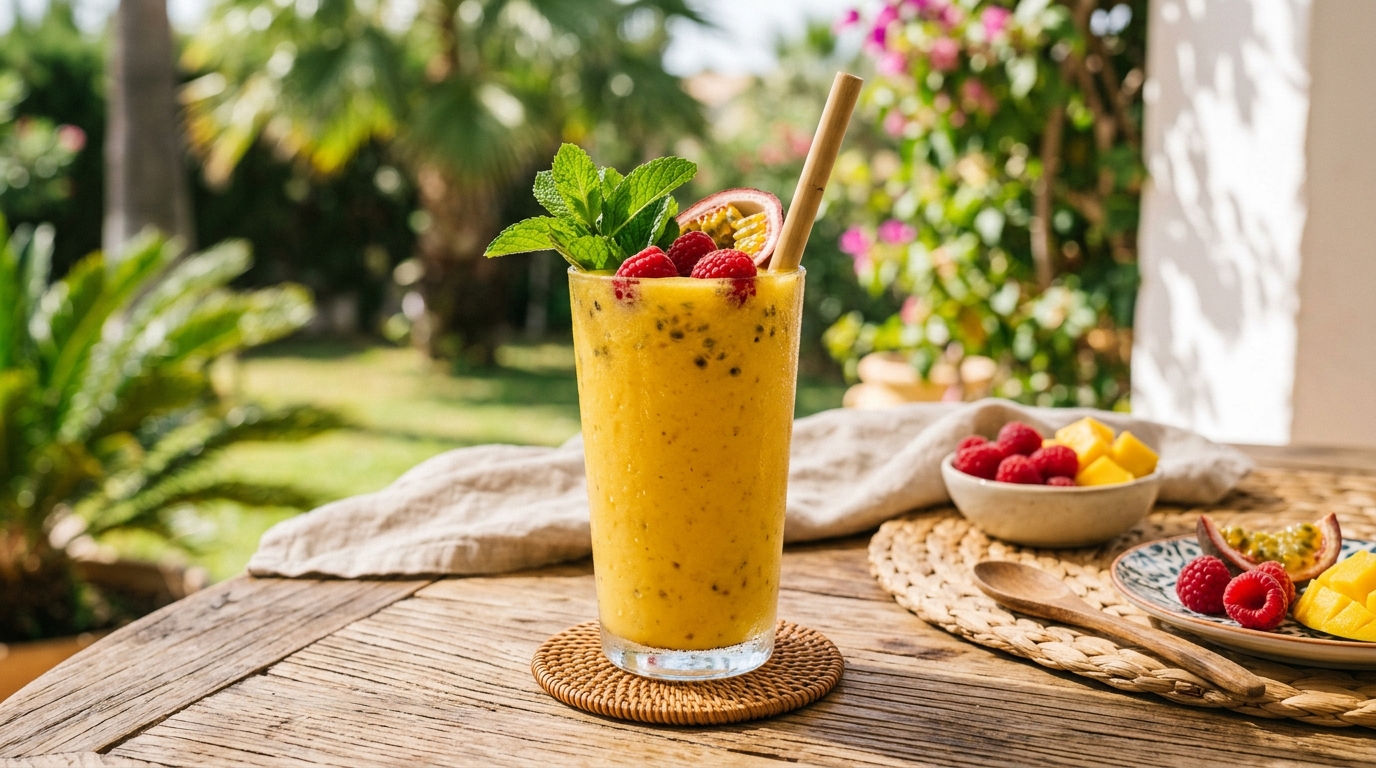
Honey is one of the most common “wait, really?” moments for new vegans, and one of the most searched questions about veganism. It comes from an insect rather than a cow or a chicken, and nobody sees a bee being harmed when they stir honey into tea. This guide explains why honey is not considered vegan, where it hides on labels, and exactly which swap to use for tea, baking, dressings, and glazes.
Why honey is not vegan
The Vegan Society defines veganism as a way of living that seeks to exclude all forms of animal exploitation “as far as is possible and practicable.” Bees are animals, and honey is something they make for themselves. Several reasons follow from that:
- It is the bees’ food. Honeybees make honey from nectar to feed the colony, especially through winter and periods when flowers are scarce. Harvesting it takes that store away.
- Replacement feeding. Commercial beekeepers often feed colonies sugar syrup after removing honey. Sugar syrup lacks some of the nutrients and compounds found in honey.
- Colony management. Common commercial practices can include replacing queens, clipping a queen’s wings to limit swarming, and moving hives long distances for crop pollination. Some bees are inevitably crushed or killed during inspections and harvest.
- It is an animal product by definition. Even with the gentlest possible beekeeping, honey still comes from animals, which puts it outside the vegan definition in the same way milk from well-treated cows does.
What about backyard or “ethical” beekeeping?
Some people who otherwise eat plant-based choose local honey from small keepers who harvest only surplus. That is a thoughtful position, and it is fair to acknowledge that small-scale beekeeping varies widely. But it is a vegetarian or plant-based choice, not a vegan one. The same logic that leads vegans to avoid “humane” eggs applies here: the question is not only how well an animal is treated, but whether its products are ours to take.
What about pollination?
A common objection is that bees pollinate many crops vegans eat, including almonds, apples, and avocados. That is true, and it is a real limitation of the food system. Veganism’s “possible and practicable” standard recognizes that you cannot avoid every indirect animal involvement in agriculture. Choosing not to buy honey is practical; choosing not to eat any bee-pollinated food is not. Supporting wild pollinators through habitat and reduced pesticide use is a positive step many vegans take instead.
Honey on the label: words to watch for
Honey is not a major allergen, so it will not show up in an allergen statement. You need to read the full ingredient list.
| Label word | What it is | Where it turns up |
|---|---|---|
| Honey, raw honey, manuka honey | Honey | Bread, cereal, granola, sauces, tea blends |
| Honey powder, dried honey, honey solids | Dehydrated honey | Seasoning blends, chips, snack coatings |
| Honeycomb | Wax comb filled with honey | Ice creams, chocolates, cheese boards |
| Royal jelly | A secretion fed to larvae and queens | Supplements, skincare |
| Propolis | A resin bees make from plant material | Throat sprays, lozenges, skincare |
| Bee pollen | Pollen collected by bees | Smoothie bowls, supplements |
| Beeswax (E901) | Wax from the comb | Candy coatings, coated fruit, lip balm, candles |
| Mead | Fermented honey | Drinks |
Some products say “honey flavor,” which may be artificial or natural. If there is no honey in the ingredient list itself, the flavor is often not from honey, but ask the manufacturer if you want certainty. Products that commonly surprise people include wheat and multigrain breads, graham crackers, granola bars, “honey roasted” nuts, BBQ and teriyaki sauces, salad dressings, cough drops, and lip balms. The vegan label decoder flags all of these names if you paste in an ingredient list.
The best honey swaps, by job
No single swap is perfect for everything, because honey does several jobs: it sweetens, adds floral flavor, holds moisture, helps browning, and makes things sticky. Pick the swap for the job.
| Swap | Flavor | Texture | Best for | Swap ratio for honey |
|---|---|---|---|---|
| Maple syrup | Caramel, woody | Thinner than honey | Baking, tea, oatmeal, glazes, dressings | 1:1 |
| Agave syrup | Neutral, clean | Runny | Cold drinks, cocktails, tea, dressings | 1:1, or slightly less since it is sweeter |
| Date syrup | Rich, dried fruit | Thick | Glazes, marinades, drizzling, dark bakes | 1:1 |
| Brown rice syrup | Mild, malty | Very thick, sticky | Granola bars, energy balls, clusters | 1:1; less sweet, so taste and adjust |
| Golden syrup | Buttery caramel | Thick, honey-like | Flapjacks, treacle-style bakes, drizzling | 1:1 (check the sugar source if bone char matters to you) |
| Molasses | Strong, bittersweet | Thick | Gingerbread, BBQ sauce, baked beans | Use partly, alongside a milder syrup |
| Vegan “honey” products | Floral, honey-like | Honey-like | Anywhere you miss real honey flavor | 1:1 |
Swapping honey in baking
- Use a one-to-one swap by volume with maple, agave, or date syrup.
- Watch the browning. Agave browns faster than honey; maple slightly slower. Check bakes a few minutes early.
- Keep the leavening as written. Most recipes with honey include some baking soda. Maple and date syrup are close enough that you rarely need to adjust.
- For sticky bars, brown rice syrup gives the closest binding; maple alone can leave bars more crumbly.
For whole recipes that also include butter, eggs, or milk, the vegan baking converter works out all the swaps at once. For a broader look at plant sweeteners, see natural sweetener swaps for vegan desserts.
Swapping honey in tea and drinks
Agave dissolves easily in hot and cold drinks and has the most neutral flavor. Maple adds a gentle caramel note that is lovely in chai and oat lattes. For cocktails, a one-to-one mix of agave or maple and warm water replaces honey syrup directly.
Swapping honey in savory cooking
In marinades, glazes, and dressings, maple and date syrup both caramelize well. Date syrup adds depth to roasted vegetables and tofu; maple works beautifully with mustard and soy sauce. Try maple in a sticky glaze on tempeh, as in these gochujang-glazed tempeh skewers.
Honey for sore throats: vegan alternatives
Honey is a traditional comfort for sore throats and coughs. If you are vegan, warm drinks with maple syrup or agave, ginger, and lemon offer a similar soothing sweetness, and hard candies and lozenges without honey are widely available (check for gelatin and propolis). Our vegan sore throat comfort guide covers honey-free options and when a sore throat needs a clinician.
One safety note for families: health authorities advise that honey should not be given to babies under 12 months because of the risk of infant botulism. Ask your pediatrician about any sweeteners for infants.
Is honey vegetarian?
Yes, honey is generally considered vegetarian, because vegetarianism excludes meat and fish rather than all animal products. This is one of the clearest dividing lines between the two diets, alongside dairy and eggs. For the full comparison, see vegan vs vegetarian.
Your next step
Buy one bottle of maple syrup or agave and use it everywhere you used to use honey for a week: tea, oatmeal, dressings, and glazes. You will quickly find which one you prefer for each job. Then check the labels on your bread, cereal, and granola, which are the most common places honey hides in an otherwise plant-based kitchen. A good first recipe to try is blueberry almond overnight oats, sweetened with a spoonful of maple.
Frequently Asked Questions
Is honey vegan?
No. Honey is produced by bees as their food store, and the Vegan Society and most vegans do not consider it vegan. It is vegetarian, since no animals are killed specifically to make it, but vegetarian and vegan are different standards.
Why do some people who eat plant-based still eat honey?
Some see small-scale beekeeping as low-harm or even helpful to bees. That is a personal choice, but by the standard definition of veganism, honey is an animal product and is excluded.
What is the best vegan substitute for honey?
For most uses, maple syrup or agave syrup, swapped one to one. Date syrup is best when you want a deep, rich flavor, and brown rice syrup works for chewy bars where you want stickiness with less sweetness.
Can I replace honey with maple syrup in baking?
Yes, usually one to one by volume. Maple syrup is slightly thinner and less sweet, so bakes may be a little more tender and less browned. Agave is sweeter and browns faster, so watch the oven.
What ingredients mean a product contains honey?
Look for honey, honey powder, dried honey, honey solids, honeycomb, royal jelly, propolis, and bee pollen. Beeswax (E901) is also a bee product, used as a coating rather than a sweetener.
Continue Reading
More from Shopping & Labels

3 min read
How to Read a Vegan Bread Label in 60 Seconds
Most basic bread is vegan, but enriched, glazed, and sweet varieties need a closer label check.
7 min read
Is Wine Vegan? How Isinglass, Gelatin, and Egg Whites End Up in Your Glass
Many wines and beers are clarified with isinglass, gelatin, egg whites, or casein. Here is why, how to tell from the label, and how to find vegan bottles.
8 min read
How to Read a Food Label When You’re Vegan: A Five-Step Check
How to tell if food is vegan in under a minute: the five-step label check, the ingredient words to watch for, and what “may contain” really means.