A Beginner Vegan Grocery List You Will Actually Use
A practical beginner vegan grocery list organized by role, with a first-week shopping plan, budget tips, and the label checks that save you mistakes.
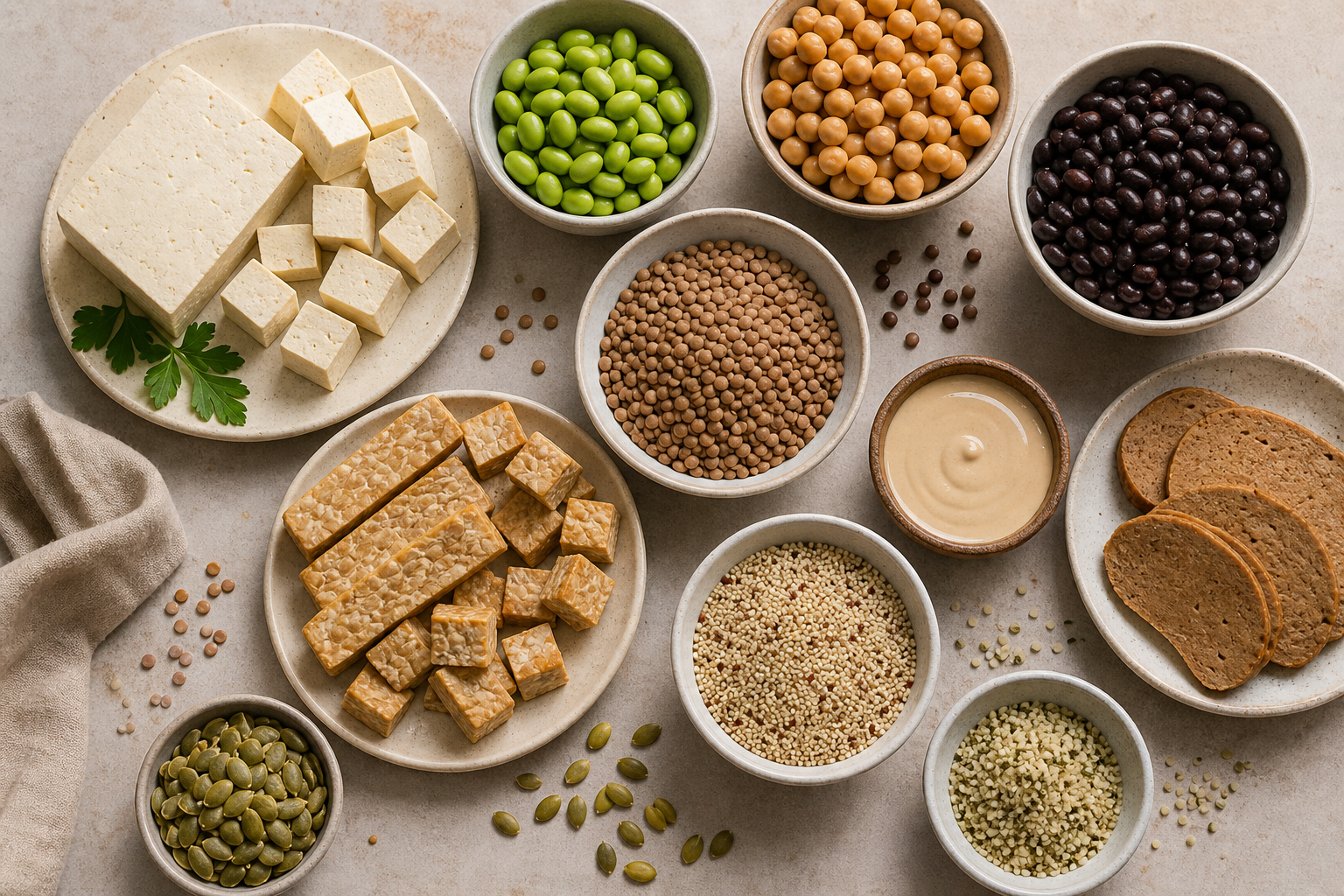
Most vegan shopping lists fail beginners in one of two ways. Either they are a wish list of 80 specialty items you will never use, or they are so vague (“eat more vegetables”) that you walk out with a cart of lettuce and nothing for dinner. This list is organized by the job each food does, so you can build real meals from it on day one.
How to use this list
Do not buy everything at once. Choose a few items from each group, enough for about five dinners plus breakfasts and lunches. Once you know what you cook most, the list shrinks to your personal staples. If you already have a stocked pantry, cross off what you own and focus on the protein group, which is where most new vegans are underprepared.
Protein anchors: the most important group
These foods make meals filling. Aim to have at least three on hand at all times.
- Canned beans: chickpeas, black beans, kidney beans, cannellini or butter beans. Ready in minutes; rinse to reduce sodium.
- Dried lentils: red lentils cook in about 15 to 20 minutes with no soaking and melt into soups and dals. Brown or green lentils hold their shape for salads and tacos.
- Tofu: extra-firm for baking, frying, and scrambles; silken for sauces, smoothies, and desserts. Calcium-set tofu (look for calcium sulfate on the label) adds calcium too.
- Tempeh: fermented soybeans pressed into a firm cake, with a nutty flavor and more chew than tofu.
- Frozen edamame: a snack, a salad topper, or a stir-fry protein.
- Peanut butter or other nut butters: for toast, sauces, and quick snacks.
- Optional: seitan (wheat gluten), textured vegetable protein (TVP), or a store-bought vegan mince for quick weeknight sauces.
Starches and grains
These give meals substance and are some of the cheapest foods in the store.
- Rolled oats for breakfast, baking, and thickening.
- Rice: long-grain white, brown, or jasmine. Buy in larger bags once you know you like it.
- Pasta and noodles. Most dried pasta is made from durum wheat and water, but check for egg, especially in fresh pasta and egg noodles.
- Bread and tortillas. Check for milk, butter, whey, eggs, and honey; many basic loaves are vegan but not all.
- Potatoes and sweet potatoes, which store for weeks in a cool, dark spot.
- Quinoa, couscous, or bulgur for quick grain bowls.
Vegetables and fruit
Buy a mix of fresh produce for the next few days and frozen produce for the rest of the week. Frozen vegetables are picked and frozen quickly, keep for months, and cut waste to almost nothing.
- Long-lasting fresh: onions, garlic, carrots, cabbage, celery, apples, citrus, bananas.
- Quick-use fresh: leafy greens, tomatoes, peppers, herbs, berries, mushrooms.
- Frozen: spinach, broccoli, peas, mixed stir-fry vegetables, corn, berries for oats and smoothies.
- Canned: diced tomatoes, tomato paste, coconut milk, and pumpkin puree.
Fats, nuts, and seeds
- Olive oil for cooking and dressings, plus a neutral oil such as canola or sunflower for high heat.
- Tahini for dressings, hummus, and sauces.
- Ground flaxseed or chia seeds for omega-3 fats and as egg replacers in baking.
- Walnuts, almonds, cashews, or sunflower seeds. Raw cashews blend into creamy sauces.
- Avocados, if they fit your budget.
Flavor builders that make vegan food taste finished
This is the group beginners skip, and it is why their early meals taste flat. Savory, salty, sour, and smoky flavors are what make food satisfying.
- Soy sauce or tamari for salt and depth.
- Miso paste for deep savory flavor in soups, dressings, and glazes.
- Nutritional yeast for a cheesy, nutty note; some brands are fortified with B12.
- Vegetable bouillon cubes or paste. Check for milk powder or chicken fat in some brands.
- Acids: lemons, limes, and a vinegar such as apple cider or rice vinegar.
- Spices: smoked paprika, cumin, chili flakes, curry powder, garlic powder, and oregano cover a lot of ground.
- Condiments: mustard, salsa, hot sauce, sriracha, and a jarred curry paste. Thai curry pastes often contain shrimp paste, so read the label.
Nutritional yeast is often nicknamed nooch. It is a deactivated yeast sold as yellow flakes, and a spoonful stirred into sauces, sprinkled on popcorn, or blended into cashew cream adds a savory, cheese-like note.
Dairy swaps: plant milks, yogurts, and butter
Pick one plant milk to start and match it to what you use milk for most.
| Plant milk | Best for | Notes |
|---|---|---|
| Soy | Cereal, baking, cooking | Highest protein of the common options; curdles with acid, which is useful for vegan buttermilk |
| Pea | Cereal, smoothies | Protein similar to soy; neutral taste |
| Oat | Coffee, lattes | Creamy and foams well; lower in protein |
| Almond | Smoothies, light use | Low calorie, low protein |
| Coconut (carton) | Curries, desserts | Different from canned coconut milk, which is much richer |
Choose unsweetened and fortified with calcium and vitamin D when you can. For a deeper comparison, read the best plant milks for cooking, baking, and coffee. A tub of plain unsweetened plant yogurt and a vegan butter or spread round out the group.
A sample first-week list
Here is a realistic list for one person for five dinners, plus breakfasts and lunches. Adjust quantities for your household.
- Protein: 3 cans of beans (chickpeas, black, cannellini), 1 bag red lentils, 2 blocks extra-firm tofu, 1 bag frozen edamame, 1 jar peanut butter
- Starches: rolled oats, 1 bag rice, 1 box pasta, 1 loaf bread, tortillas, 2 pounds potatoes
- Produce: onions, garlic, carrots, spinach, bell peppers, lemons, bananas, apples, frozen broccoli, frozen peas, frozen berries
- Canned: 2 cans diced tomatoes, 1 can coconut milk, tomato paste
- Fats: olive oil, tahini, ground flaxseed, a bag of walnuts
- Flavor: soy sauce, curry powder, smoked paprika, cumin, vegetable bouillon, nutritional yeast
- Dairy swaps: fortified soy or oat milk, plain plant yogurt
That list makes meals like creamy coconut red lentil dal, a tofu and broccoli stir-fry, black bean tacos, pasta with white beans and spinach, and a chickpea curry. A creamy white bean pasta is an easy first pasta dinner. For a full day-by-day plan built from a list like this, see our 7-day vegan meal plan for beginners.
Label checks that save you mistakes
Packaged foods are where animal ingredients hide. Build these habits early:
- Read the allergen statement first. If it lists milk or egg as an ingredient, the product is not vegan. “May contain” warnings are about cross-contact on shared equipment and are a personal call.
- Scan the ingredient list for whey, casein, caseinate, lactose, butterfat, egg albumen, gelatin, honey, carmine (a red dye from insects), and fish or anchovy.
- Watch the usual suspects: bread, crackers, pesto, Caesar dressing, Worcestershire sauce, curry pastes, bouillon, and some dark chocolate.
- Look for a certified vegan logo when you want a faster answer.
If an ingredient list is confusing, paste it into the Vegan Label Decoder to flag animal-derived and uncertain items. Our full guide on how to read a food label when you are vegan covers the tricky cases in more depth.
Keeping the bill down
The cheapest vegan foods are dried beans and lentils, rice, oats, potatoes, cabbage, carrots, onions, bananas, and frozen vegetables. Specialty products are where costs climb. A few habits help:
- Buy store brands of canned beans, tomatoes, and frozen vegetables.
- Treat vegan meats and cheeses as occasional extras rather than staples.
- Shop spices from international aisles or grocers, where they are often cheaper per ounce.
- Cook a big pot of beans or lentils once a week and use it in three meals.
For a full strategy, read vegan on a budget: how to eat well for less.
Storing what you buy so it actually gets eaten
A good list is wasted if half the produce wilts in the drawer. A few storage habits make a first vegan shop last the whole week:
- Tofu: once opened, keep leftovers submerged in fresh water in a sealed container in the fridge, change the water daily, and use within a few days. Unopened packs keep until the date on the package.
- Cooked beans and lentils: refrigerate in a covered container and use within about four days, or freeze in portions for up to a few months.
- Leafy greens and herbs: wrap loosely in a slightly damp towel inside a bag or container. Use tender greens early in the week and sturdier ones like kale and cabbage later.
- Bananas and avocados: ripen on the counter, then move to the fridge to slow them down.
- Nuts, seeds, and ground flax: their oils go rancid at room temperature over time, so store opened bags in the fridge or freezer.
Plan to cook the most perishable items first: mushrooms, berries, and delicate greens early in the week; roots, cabbage, frozen vegetables, and canned goods toward the end.
Your next step
Copy the first-week list into your phone, cross off what you already own, and shop for five dinners only. When you get home, check what you have on hand and plan meals around it. If you are stuck, list or photograph your ingredients in Fridge Scan for vegan meal ideas. After two or three weeks, you will know your staples and can move to our vegan pantry list for easier weeknight dinners to fill in the gaps.
Frequently Asked Questions
What should a beginner vegan buy first?
Start with protein anchors (canned beans, lentils, tofu), easy starches (rice, pasta, oats, bread), frozen vegetables, a plant milk, and a few flavor builders like soy sauce and nutritional yeast. That covers most simple meals.
Do I need to buy vegan meat and cheese substitutes?
No. They are convenient and can help with cravings, but they are optional. Beans, lentils, tofu, and tempeh are cheaper and cover your protein needs well.
How much should I buy on my first vegan shop?
Buy for about five dinners plus breakfasts and lunches, not a full month. Shopping small keeps waste down while you learn which foods you actually enjoy.
Which plant milk is best for beginners?
Choose an unsweetened soy or pea milk fortified with calcium and vitamin D if you want the most protein. Oat milk is popular for coffee, and almond milk is lower in calories but also lower in protein.
How do I know if a packaged food is vegan?
Read the ingredient list and the allergen statement for milk, egg, fish, and shellfish, then check for less obvious items like whey, casein, gelatin, carmine, and honey. A certified vegan logo saves time.
Continue Reading
More from Going Vegan

6 min read
How to Handle Cheese, Bacon, and Egg Cravings as a New Vegan
Cheese, bacon, and egg cravings are really about salt, fat, smoke, and texture. Here is how to match each one with vegan foods that genuinely satisfy.
7 min read
How to Go Vegan: A Realistic 30-Day Transition Plan
A week-by-week 30-day plan for transitioning to a vegan diet: what to change first, what to stock, what to cook, and how to handle slips without quitting.
6 min read
Vegan vs Vegetarian: What Is the Difference?
Vegetarians skip meat and fish; vegans also skip dairy, eggs, honey, and animal products beyond food. See the types, hidden ingredients, and how to choose.