Vegan on a Budget: How to Eat Well for Less
How to eat vegan on a budget: the cheapest high-value staples, a weekly shopping system, batch-cooking tactics, and cheap vegan meals that do not feel cheap.
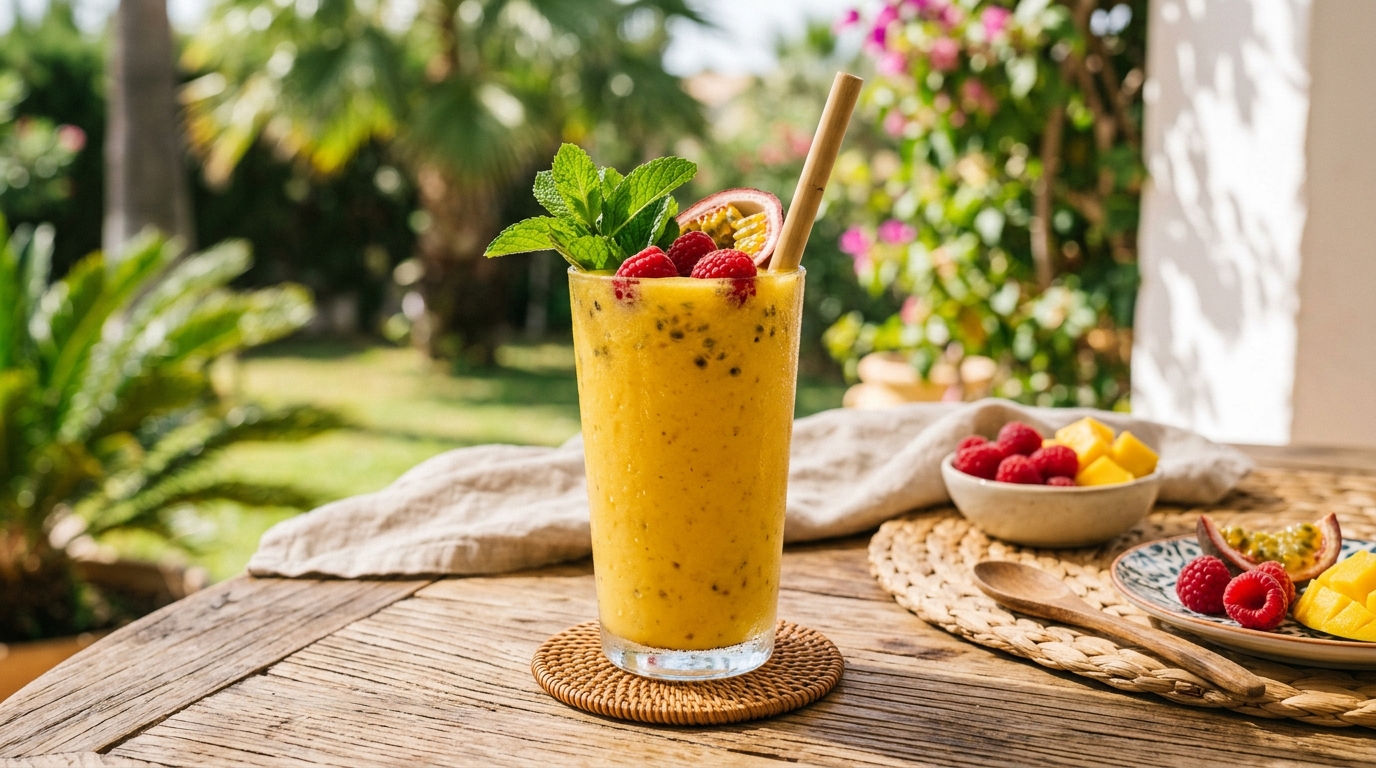
There is a common idea that vegan food is expensive, and in one sense it is fair: a basket of plant-based burgers, cashew cheese, and oat-milk lattes adds up fast. But the foods that have fed people cheaply for centuries, from dal and rice to beans and tortillas to lentil soup and bread, are almost all vegan already. This guide shows you how to shop and cook around them without eating the same bowl every night.
Where the money goes (and where it does not need to)
Before changing anything, it helps to know which foods drive a vegan grocery bill up and which keep it down.
| Usually low cost per serving | Moderate | Usually high cost per serving |
|---|---|---|
| Dried lentils, beans, split peas | Canned beans | Plant-based burgers, sausages, nuggets |
| Rice, oats, pasta, flour | Tofu, tempeh | Vegan cheeses |
| Potatoes, sweet potatoes | Peanut butter, sunflower seeds | Ready meals and meal kits |
| Cabbage, carrots, onions | Fresh seasonal fruit | Out-of-season or specialty produce |
| Frozen vegetables and fruit | Soy milk | Most nuts, especially cashews and pine nuts |
| Bananas, apples in season | Canned tomatoes, coconut milk | Protein bars and packaged snacks |
A budget vegan kitchen is built almost entirely from the left column, with a few items from the middle for variety and the right column as an occasional treat. Exact prices vary by region and store, so check unit prices (price per pound or per ounce on the shelf tag) rather than package prices.
The budget vegan staples list
These foods do the heavy lifting. Keep most of them on hand and you can make dozens of meals.
- Legumes: dried red lentils, brown or green lentils, dried black beans, chickpeas, and split peas. Buy a few cans for busy nights.
- Grains: long-grain rice, rolled oats, pasta, flour, and cornmeal or masa if you like tortillas and cornbread.
- Durable produce: potatoes, onions, garlic, carrots, cabbage, and whatever is cheapest in season.
- Frozen produce: spinach, peas, mixed vegetables, broccoli, and berries.
- Canned goods: tomatoes, tomato paste, and coconut milk.
- Protein extras: tofu, peanut butter, and soy milk.
- Flavor: soy sauce, vinegar, vegetable bouillon, cumin, smoked paprika, chili flakes, curry powder, and dried oregano.
If you are shopping for the first time, our beginner vegan grocery list organizes these by the job they do in a meal.
Dried vs canned beans: when each is worth it
Dried beans are almost always cheaper per serving than canned, often by a wide margin, because you are not paying for water, the can, and processing. Dried beans roughly double to triple in weight once cooked, so a single bag goes a long way. The trade-off is time.
- Choose dried when you can cook a big batch on the weekend or have a pressure cooker or slow cooker. Freeze cooked beans in portions with a little cooking liquid.
- Choose canned for busy weeks and for small quantities. They are still an inexpensive protein.
- Lentils and split peas are the best of both: dried, cheap, and ready in 15 to 45 minutes without soaking.
Our guide to cooking dried beans on the stovetop, in a pressure cooker, or in a slow cooker covers soaking, timing, and salting.
A weekly system that keeps costs down
Budget cooking works best as a routine. This five-step cycle takes about an hour of planning and two hours of cooking per week.
- Check what you have. Look through the fridge, freezer, and pantry first and plan at least two meals around what needs using. If you are short on ideas, list or photograph your ingredients in Fridge Scan for vegan recipe suggestions.
- Pick one base per week. For example, a big pot of black beans or chickpeas, plus a pot of rice.
- Plan three or four dinners that share ingredients. Black beans can become tacos, a rice bowl, a soup, and a chili. One cabbage covers slaw, a stir-fry, and a soup.
- Shop the list, not the aisles. Check unit prices, buy store brands, and choose frozen over fresh for anything you will not use within a few days.
- Batch cook on one day. Cook beans, a grain, and one sauce or soup. Weeknight cooking then becomes assembly.
For more on building a week around a few batch components, read vegan meal prep for people who do not want seven identical lunches.
Cheap vegan meals that do not feel cheap
The trick to budget food that feels generous is technique: well-browned onions, toasted spices, a splash of acid at the end, and a little fat. These meals rely on the cheapest staples.
- Red lentil dal with rice. Lentils, onion, garlic, canned tomato, and spices. Try Indian masoor dal.
- Mujadara. Lentils, rice, and deeply caramelized onions, a Levantine classic built entirely from pantry staples. See Lebanese mujadara with crispy onions.
- Black bean tacos. Beans, onions, cumin, and tortillas, topped with shredded cabbage and lime.
- Peanut stew. Sweet potato, tomato, peanut butter, and greens, as in this peanut sweet potato kale stew.
- Pasta e fagioli. Pasta, white or borlotti beans, canned tomato, garlic, and rosemary.
- Cabbage and potato skillet. Fried with onion, smoked paprika, and a can of white beans.
- Split pea soup. Split peas, carrot, onion, and smoked paprika for depth.
- Fried rice. Day-old rice, frozen peas and carrots, tofu, and soy sauce.
- Oatmeal for breakfast. Oats cooked with soy milk and topped with a sliced banana and peanut butter.
Budget habits that add up
At the store
- Compare unit prices, not package prices.
- Look in international aisles and grocers for spices, rice, lentils, and tofu; they are often cheaper there.
- Buy whole produce rather than pre-cut or pre-washed.
- Buy larger bags of rice, oats, and lentils once you know you use them.
At home
- Save vegetable scraps (onion ends, carrot peels, herb stems) in a freezer bag and simmer them into stock.
- Freeze bread, ripe bananas, and cooked beans before they spoil.
- Make your own staples when it is easy: salad dressings, hummus, and granola cost far less homemade.
- Plan a “use-it-up” meal each week, such as fried rice, soup, or a frittata-style chickpea-flour bake, for odds and ends.
With convenience products
You do not need to give them up. Just use them on purpose. A pack of vegan sausages can stretch across two meals when sliced into a bean stew or pasta. A small amount of vegan cheese goes further grated over a dish than eaten on its own.
Nutrition on a tight budget
Cheap vegan staples are nutritious, but a few things are worth protecting even when money is tight:
- Vitamin B12 from a supplement or fortified foods is non-negotiable. Supplements are generally inexpensive; ask a pharmacist about the most cost-effective option.
- Calcium and vitamin D: fortified soy milk and calcium-set tofu are budget-friendly sources.
- Iodine: iodized salt is an inexpensive source.
- Omega-3s: ground flaxseed is one of the cheaper sources; store it in the fridge or freezer.
- Enough calories: budget plant meals can be very filling but lower in calories. Add oil, peanut butter, or seeds if you are losing weight you did not intend to lose.
If you want to check a meal, the calories and macros calculator gives you a quick estimate of protein and energy.
Your next step
This week, buy one bag of dried lentils and one bag of dried beans, cook a batch of each, and plan three meals around them. Track your grocery bill for two weeks. Most people find that once the pantry is built, their weekly vegan shop is smaller than what they spent before, and the meals are better.
Frequently Asked Questions
Is eating vegan cheaper than eating meat?
It can be. Staples like dried beans, lentils, rice, oats, potatoes, and frozen vegetables are among the lowest-cost foods per serving. Costs rise when a diet leans on packaged vegan meats, cheeses, and ready meals.
What are the cheapest vegan protein sources?
Dried lentils, dried beans, and split peas are usually the cheapest per serving, followed by canned beans, tofu, peanut butter, and soy milk. Buying dried and cooking in batches saves the most.
How can I make cheap vegan meals taste good?
Invest in flavor rather than expensive ingredients: onions, garlic, spices, soy sauce, vinegar, citrus, and a little oil. Browning onions well and finishing with acid makes simple beans and grains taste complete.
Are frozen vegetables as nutritious as fresh?
Frozen vegetables are generally comparable to fresh, because they are frozen soon after harvest. They also reduce waste, which often makes them the better value.
How much time does budget vegan cooking take?
About one to two hours of batch cooking a week, plus 15 to 20 minutes on weeknights to assemble meals. Cooking beans and grains in bulk is the biggest time and money saver.
Continue Reading
More from Going Vegan

6 min read
How to Handle Cheese, Bacon, and Egg Cravings as a New Vegan
Cheese, bacon, and egg cravings are really about salt, fat, smoke, and texture. Here is how to match each one with vegan foods that genuinely satisfy.
7 min read
How to Go Vegan: A Realistic 30-Day Transition Plan
A week-by-week 30-day plan for transitioning to a vegan diet: what to change first, what to stock, what to cook, and how to handle slips without quitting.
6 min read
Vegan vs Vegetarian: What Is the Difference?
Vegetarians skip meat and fish; vegans also skip dairy, eggs, honey, and animal products beyond food. See the types, hidden ingredients, and how to choose.