Plant-Based vs Vegan: The Useful Difference (and Why It Matters on Labels)
Plant-based describes a way of eating; vegan describes a way of living. Here is how the two differ on menus, product labels, and in your own kitchen.

The two words are used interchangeably on menus, packaging, and social media, which causes real confusion. Sometimes the difference is just vocabulary. Sometimes it decides whether a product contains milk. Knowing where the line sits helps you order, shop, and explain your own choices clearly.
What does vegan mean?
The word vegan was coined in 1944 by the founders of the Vegan Society in the UK. Their current definition describes veganism as a philosophy and way of living that seeks to exclude, as far as is possible and practicable, all forms of exploitation of and cruelty to animals for food, clothing, or any other purpose.
Three things follow from that definition:
- It is about animals first. Health and environmental benefits are welcome, but the core motivation is ethical.
- It goes beyond food. Vegans typically avoid leather, wool, silk, down, fur, cosmetics tested on animals, and products with animal-derived ingredients such as beeswax or lanolin.
- It is pragmatic. “Possible and practicable” acknowledges that some animal inputs are unavoidable in modern life, such as some medications. It asks for your reasonable best, not perfection.
What does plant-based mean?
Plant-based is a newer and looser term. It rose to popularity through nutrition research and books in the 1980s and later, where it described diets built around plant foods for health reasons. Today it is used in at least three ways:
- Fully plant-based: no animal foods at all, which is the same as a vegan diet but without the ethical framing or the lifestyle beyond food.
- Mostly plant-based: plants make up the bulk of the diet, with occasional fish, dairy, eggs, or meat. This overlaps with flexitarian eating.
- Whole food plant-based (WFPB): centered on minimally processed plants and often limiting oil, refined sugar, and processed foods, whether or not any animal foods are eaten.
Because the term has no single meaning, context matters. A friend who says they are plant-based might mean exactly what a vegan means, or might eat salmon twice a week.
Side-by-side: plant-based vs vegan
| Question | Vegan | Plant-based |
|---|---|---|
| Main motivation | Usually ethical (animals), often environmental too | Usually health, sometimes environmental |
| Meat, fish, dairy, eggs | Never, intentionally | None, or limited, depending on the person |
| Honey | Avoided | Often eaten |
| Processed foods and oils | Allowed if no animal ingredients | Often limited in WFPB versions |
| Leather, wool, silk, cosmetics | Avoided where practicable | Not usually part of the definition |
| Legal or certified meaning | Certification schemes exist (for example, the Vegan Society trademark) | No single standard; varies by brand |
Why the difference matters on labels
This is where the distinction stops being academic. In most countries, including the US, there is no single legal standard for “plant-based” on food packaging. Brands use it as a marketing term. As a result:
- A “plant-based” burger may include egg white as a binder.
- A “plant-based” cheese may contain casein, a milk protein, to help it melt.
- A “plant-based” granola bar may be sweetened with honey.
- A “plant-based” protein powder may include whey alongside pea protein.
“Vegan” is not perfectly regulated either, but third-party certification marks require the product to contain no animal-derived ingredients and typically cover processing aids and animal testing. If you avoid all animal products, treat “plant-based” as a hint and read the ingredient list and allergen statement every time. Our guide on what accidentally vegan means and why the label still matters explains the gray areas, and the Vegan Label Decoder will flag suspect ingredients if you paste in a list.
The same caution applies in beauty and household products, where “clean,” “natural,” and “cruelty-free” do not mean vegan. See cruelty-free vs vegan cosmetics for how those claims differ.
Gray areas where the two groups often differ
Some ingredients never appear as “meat” or “dairy” but still come from animals or involve them in processing. A person eating plant-based for health usually does not worry about these. Many vegans do. Knowing them helps you decide where you stand.
- Honey and beeswax: produced by bees, so avoided by most vegans. Maple syrup, agave, and date syrup are the usual swaps.
- Refined cane sugar: some cane sugar is filtered through bone char, a charcoal made from animal bones. The bone char does not end up in the sugar, and beet sugar and organic cane sugar are not processed this way. Vegans differ on how much this matters.
- Wine and beer: some are clarified with fining agents such as isinglass (from fish), gelatin, casein, or egg white. These are usually not listed on the label.
- Additives: carmine (a red dye from insects), shellac (a glaze from insects), and vitamin D3 from lanolin (sheep’s wool grease) can appear in otherwise plant-based foods.
- Natural flavors: can come from plant or animal sources, and the label usually does not say which.
None of these makes a diet unhealthy, which is exactly why they sit outside most plant-based definitions. For a vegan, they are the kind of detail that the “possible and practicable” standard asks you to check when you reasonably can.
Why the difference matters at restaurants
When you order, “plant-based” and “vegan” can get different results. A kitchen might hear “plant-based” and remove the chicken but leave the butter, cheese, or fish sauce. If you want no animal products at all, the clearest approach is to use the word vegan and then name the specific ingredients you are checking for:
- “Is the sauce made with butter, cream, or cheese?”
- “Is the rice or soup cooked in chicken or beef stock?”
- “Does the curry paste or dressing contain fish sauce or anchovy?”
- “Are the noodles or batter made with egg?”
Specific questions get specific answers. Vague ones get guesses.
Is one healthier than the other?
Neither label guarantees a healthy diet. Fries, soda, and sandwich cookies can all be vegan. A plant-based diet with some fish might be very nutritious, or might be mostly pastries. What research on health outcomes tends to reward is the overall pattern: plenty of legumes, whole grains, vegetables, fruit, nuts, and seeds, with fewer ultra-processed foods.
A few practical points for either approach:
- Vitamin B12 is needed from fortified foods or supplements if you eat no animal foods, and many older adults absorb it poorly from food regardless of diet.
- WFPB diets that cut oil and processed foods can be very high in fiber and low in calories, which is great for some people and leaves others underfed. Add nuts, seeds, and avocado if you feel constantly hungry.
- Vegan diets with lots of substitutes can be high in sodium. Use them for convenience, not as the whole menu.
If you want to compare specific eating styles such as vegan keto, raw vegan, high-protein vegan, and WFPB, read which vegan eating style fits you.
How plant-based relates to vegetarian and flexitarian
It helps to see all the common labels on one spectrum, from most to least inclusive of animal foods:
- Omnivore: eats everything.
- Flexitarian or mostly plant-based: mainly plants, with occasional animal foods.
- Pescatarian: no meat or poultry, but eats fish.
- Vegetarian: no meat, poultry, or fish; usually eats dairy and eggs.
- Fully plant-based diet: no animal foods, often health-motivated.
- Vegan: no animal foods, plus avoiding animal products in the rest of life where practicable.
For the vegetarian side of this comparison, including the ingredients that trip vegetarians up, see vegan vs vegetarian: what is the difference.
Which word should you use?
Use the one that accurately describes what you do. That keeps conversations simple and helps other people accommodate you.
- Say vegan if you avoid all animal products in food and try to do the same in clothing, cosmetics, and household goods, especially if animals are your reason.
- Say plant-based if you eat mostly or entirely plants for health but are flexible about honey, the occasional non-vegan meal, or non-food products.
- Say “I don’t eat any animal products” when you are ordering and want zero ambiguity, whichever label you prefer.
Some people start plant-based for health and later find the ethical side matters to them too. Others go vegan for the animals and appreciate the health upside. Either path is legitimate. If you want the full case for each motivation, read why go vegan: the ethical, environmental, and health case.
Your next step
Decide which term fits you today, then make one practical change that follows from it. If you are going fully vegan, start reading the allergen statement and ingredient list on everything labeled plant-based this week. If you are moving toward a plant-based diet, try a dish that is naturally built on legumes, such as Ethiopian misir wot, and notice how little you miss. For a complete set of first steps, head to the vegan beginner hub.
Frequently Asked Questions
Is plant-based the same as vegan?
Not exactly. Plant-based usually describes a diet built mostly or entirely on plants, while vegan is a broader ethical stance that avoids animal products in food, clothing, cosmetics, and more wherever possible and practicable.
Can a plant-based product contain dairy or eggs?
Yes. There is no single legal definition of plant-based on food labels, so some products marketed as plant-based contain small amounts of milk, egg, or honey. Always read the ingredient list and allergen statement.
What does whole food plant-based mean?
Whole food plant-based, often shortened to WFPB, is an eating style centered on minimally processed plants such as beans, grains, vegetables, fruit, nuts, and seeds. It often limits oil, refined sugar, and processed substitutes.
Is a vegan diet healthier than a plant-based diet?
Neither label guarantees a healthy diet. A vegan diet can be full of fries and soda, and a plant-based diet can be mostly whole foods. The overall pattern of what you eat matters more than the label.
Should I call myself vegan or plant-based?
Use whichever describes what you actually do. If you avoid animal products for ethical reasons across your life, vegan fits. If you eat mostly plants for health and are flexible elsewhere, plant-based is clearer.
Continue Reading
More from Going Vegan

6 min read
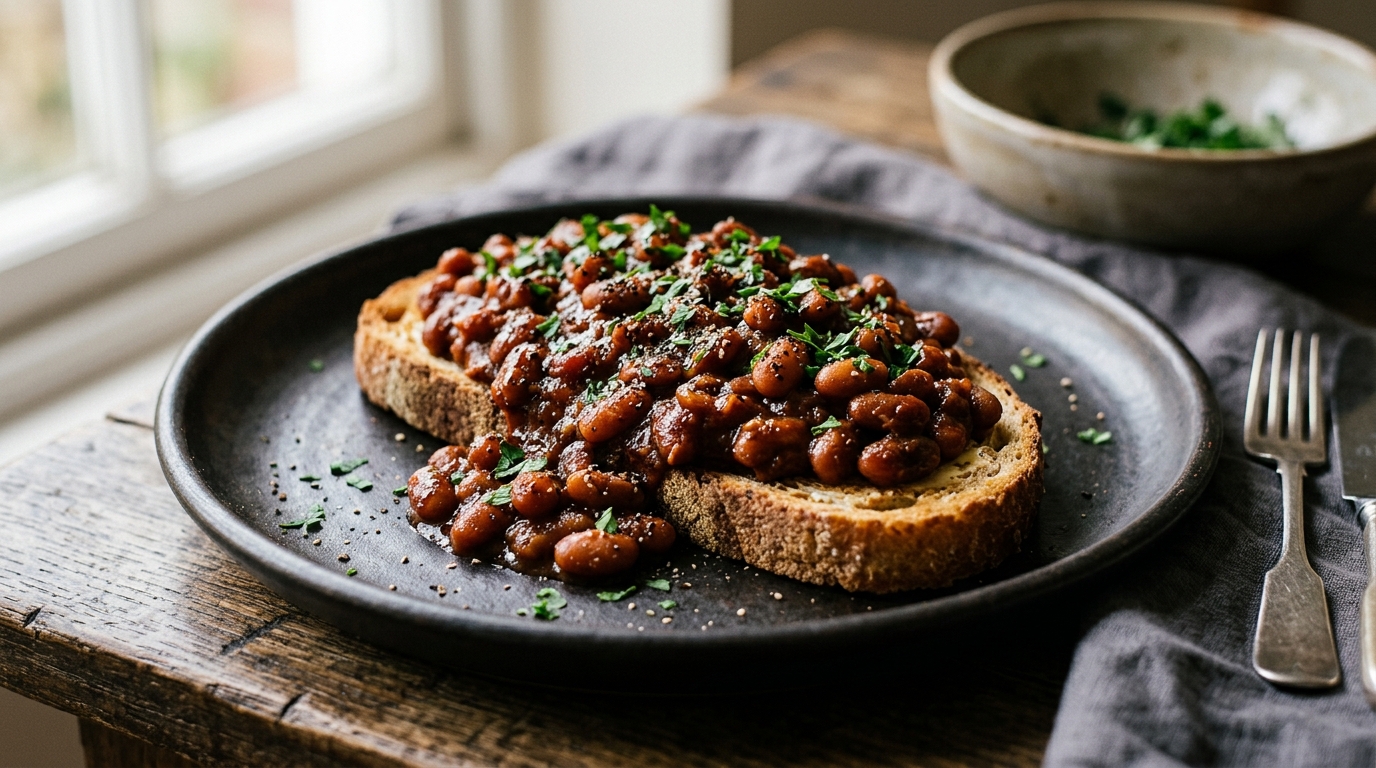
How to Handle Cheese, Bacon, and Egg Cravings as a New Vegan
Cheese, bacon, and egg cravings are really about salt, fat, smoke, and texture. Here is how to match each one with vegan foods that genuinely satisfy.
7 min read
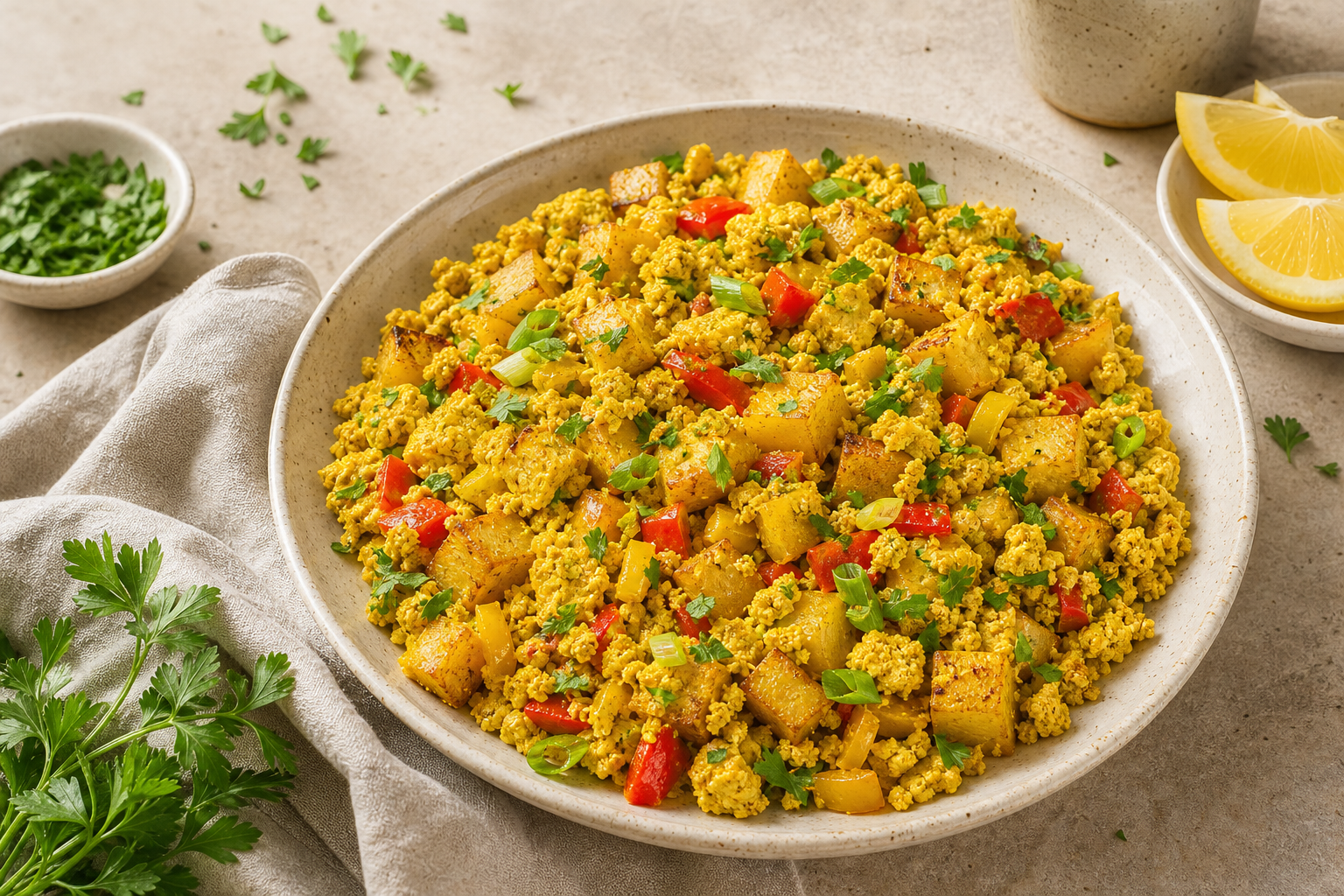
How to Go Vegan: A Realistic 30-Day Transition Plan
A week-by-week 30-day plan for transitioning to a vegan diet: what to change first, what to stock, what to cook, and how to handle slips without quitting.
6 min read
Vegan vs Vegetarian: What Is the Difference?
Vegetarians skip meat and fish; vegans also skip dairy, eggs, honey, and animal products beyond food. See the types, hidden ingredients, and how to choose.