The Ultimate Guide to Vegan Beans on Toast: Elevating a British Staple
How to check canned baked beans, make better homemade beans in 20 minutes, choose the right toast, and take beans on toast in six new directions.
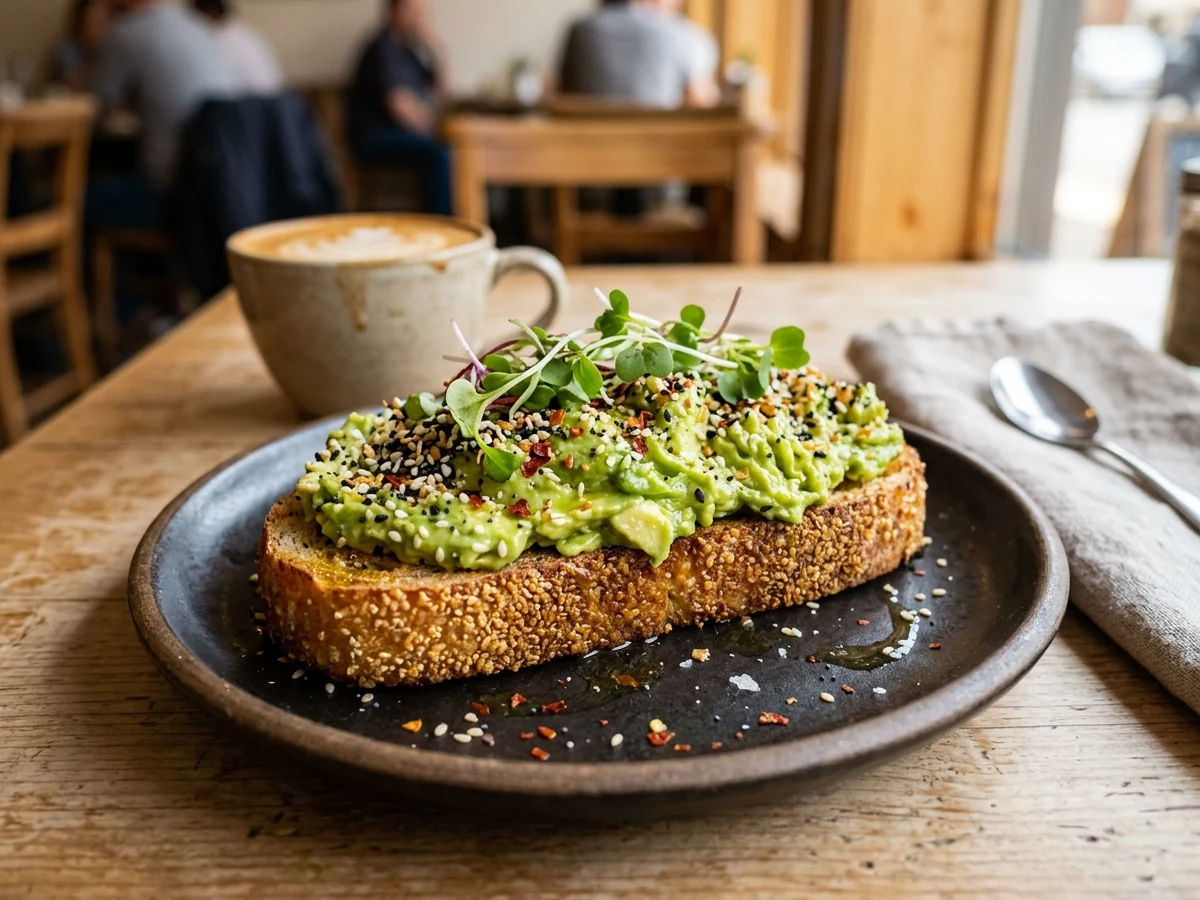
Few meals are as quick, cheap, or quietly satisfying as beans on toast. It is a British institution for good reason: warm, sweet-savory beans on crisp buttered toast hit the comfort buttons in five minutes flat. With a little attention, it can also be genuinely excellent, and it adapts to almost any cuisine.
Is beans on toast vegan?
Often, yes, but it depends on three components.
- The beans. Standard canned baked beans are usually haricot beans in a tomato sauce thickened with starch and seasoned with sugar, salt, and spices. Varieties with sausages, pork, or cheese are obviously not vegan, and a few products use vague flavorings. Read the ingredient list every time, since recipes change.
- The bread. Most basic loaves are flour, water, yeast, and salt, but some sandwich breads contain milk, butter, whey, eggs, or honey. Our guide to whether bread is vegan lists what to look for.
- The spread and toppings. Swap dairy butter for a plant butter, and grated cheese for a vegan cheese or nutritional yeast.
If an ingredient list leaves you unsure, paste it into the Vegan Label Decoder to flag animal-derived and uncertain items.
Homemade baked beans in 20 minutes
Canned beans are convenient, but homemade beans are richer, less sweet, and you control the salt. This version starts from canned beans, so there is no soaking.
Ingredients (serves 3 to 4)
- 2 cans (about 15 oz or 400 g each) haricot, navy, or cannellini beans, drained and rinsed
- 1 tablespoon olive oil
- 1 small onion, finely chopped
- 1 garlic clove, grated
- 1 tablespoon tomato paste
- 1 cup (240 ml) passata or smooth tomato sauce
- 1 to 2 teaspoons brown sugar or maple syrup
- 1 teaspoon cider vinegar
- 1/2 teaspoon smoked paprika
- 1/2 teaspoon English or Dijon mustard
- 1 teaspoon soy sauce
- About 1/2 cup (120 ml) water, as needed
Method
- Cook the onion in the oil over medium heat for 6 to 8 minutes until soft and lightly golden.
- Add the garlic and tomato paste and cook 1 minute, stirring, until the paste darkens slightly.
- Add the passata, sugar, vinegar, paprika, mustard, soy sauce, and water. Stir in the beans.
- Simmer gently for 10 to 15 minutes, stirring now and then, until the sauce is thick enough to coat a spoon.
- Mash a few beans against the side of the pan to thicken the sauce further. Taste and adjust salt, sugar, and vinegar.
For a slow-cooked, deeper version with a smoky edge, see the smoky homemade beans on sourdough toast recipe.
Choosing the toast
The bread matters more than people think. It needs to stay crisp under a wet topping.
| Bread | What it brings | Best for | What to check |
|---|---|---|---|
| Sourdough | Open crumb, tang, sturdy crust | Homemade beans, garlic-rubbed toast | Usually vegan; some enriched loaves add milk or honey |
| Whole wheat or granary | Nutty flavor, extra fiber | Everyday beans on toast | Honey, milk powder, butter |
| Thick white sliced | Soft, classic, nostalgic | The traditional café version | Milk, whey, emulsifiers from uncertain sources |
| Rye | Dense, earthy, holds up well | Smoky or mustardy beans | Usually simple ingredients |
| Gluten-free loaf | Needed for celiac disease | Anyone avoiding gluten | Eggs and milk are common in gluten-free breads |
Toast until properly golden, not just warm. Spread with plant butter right away so it melts in; the fat forms a light barrier that keeps the toast crisp longer. Our guide to vegan butter substitutes covers which spreads taste best on toast.
How to make beans on toast better
- Thicken the sauce. Watery beans make soggy toast. Simmer a canned batch for a few minutes with the lid off before serving.
- Add acid. A few drops of vinegar or a squeeze of lemon wakes up even canned beans.
- Add fat and umami. A small knob of plant butter stirred in at the end, or a dash of soy sauce, makes the sauce glossy and rounder.
- Season the toast. Rub hot sourdough with a cut garlic clove before buttering.
- Finish with contrast. Black pepper, chili flakes, chives, or a handful of peppery greens cut through the sweetness.
- Add protein. A spoon of tofu scramble, crisp smoked tofu, or grated vegan cheese melted under the grill turns a snack into a full meal.
Six ways to take beans on toast around the world
Beans on bread is not only British. Many cuisines have their own version, and borrowing from them keeps this cheap staple interesting.
- Masala beans: baked beans cooked with onion, ginger, green chili, cumin, and garam masala, much loved in British Indian homes. Try the Indian spiced masala baked beans on toast.
- Smoky Spanish butter beans: big creamy butter beans in a tomato sauce with smoked paprika and garlic, as in these smoky butter beans on garlic toast.
- Tuscan cannellini and kale: white beans warmed with olive oil, garlic, rosemary, and greens, spooned onto crostini like these creamy cannellini and Tuscan kale crostini.
- Molletes-style: a Mexican breakfast of toasted bolillo rolls with refried beans and melted cheese, topped with pico de gallo. Use vegan cheese and check that refried beans are not made with lard.
- Ful-inspired: Egyptian ful medames is slow-cooked fava beans with olive oil, lemon, cumin, and garlic, traditionally scooped up with bread. Spooned onto toasted flatbread, it makes a filling breakfast.
- Cheesy grilled beans: the British café classic with grated cheese melted on top. Use a good melting vegan cheese and a hot grill.
Nutrition: a quick, reasonably balanced meal
Beans are a good source of fiber and plant protein, and a typical half-can serving of baked beans provides around 10 grams of protein depending on the brand. Two slices of whole-grain toast add a few more grams and extra fiber. The main thing to watch is salt and added sugar in canned beans; reduced-salt and reduced-sugar versions exist, and homemade beans let you control both.
If beans leave you uncomfortable, build up the portion gradually and see our guide on why beans cause gas and how to cook them so they do not.
Storing and batch cooking beans
Homemade baked beans are a perfect batch-cook item. Cool them quickly in a shallow container, refrigerate at 40°F (4°C) or below, and eat within 3 to 4 days. They freeze well in single portions for a couple of months. Reheat until steaming hot all the way through, adding a splash of water if the sauce has thickened. Leftover canned beans should go into a lidded container rather than staying in the open can.
Your next step
Make one batch of the 20-minute homemade beans this week, keep half in the fridge for quick breakfasts and suppers, and freeze the rest. Then try one global variation, such as masala beans or smoky butter beans, to see how far this five-minute staple can go.
Frequently Asked Questions
Are canned baked beans vegan?
Plain canned baked beans are usually made from haricot beans, tomato sauce, sugar, salt, starch, and spices, which are all plant-based. Some varieties add pork, sausages, or cheese, so always check the ingredient list.
What beans are used for British baked beans?
Haricot beans, also called navy beans in the U.S. Cannellini, great northern, or butter beans work well in homemade versions.
How do I stop beans on toast from going soggy?
Toast the bread well, spread it with plant butter or a thin layer of oil as a moisture barrier, keep the bean sauce thick, and serve immediately.
Is beans on toast healthy?
It is a reasonably balanced quick meal: beans supply fiber and plant protein and whole-grain toast adds more fiber. Canned beans can be high in salt and sugar, so reduced-salt and reduced-sugar versions or homemade beans are a good choice.
Can I freeze homemade baked beans?
Yes. Cool them quickly, freeze in portions, and they keep good quality for a couple of months. In the fridge, eat them within 3 to 4 days.
Continue Reading
More from Cooking Techniques
6 min read
How to Make Crispy Tofu: Five Methods Compared
Pan-seared, cornstarch-fried, baked, air-fried, or deep-fried: five ways to make crispy tofu, with times, temperatures, and what each is best for.
6 min read
How to Press Tofu (and When You Should Not Bother)
How to press tofu with a towel, a press, or the freezer, how long it takes, and which tofu types and dishes are better left unpressed.
3 min read
How to Build a Vegan Sauce Without a Recipe
A dependable ratio for creamy, herby, and savory vegan sauces.